
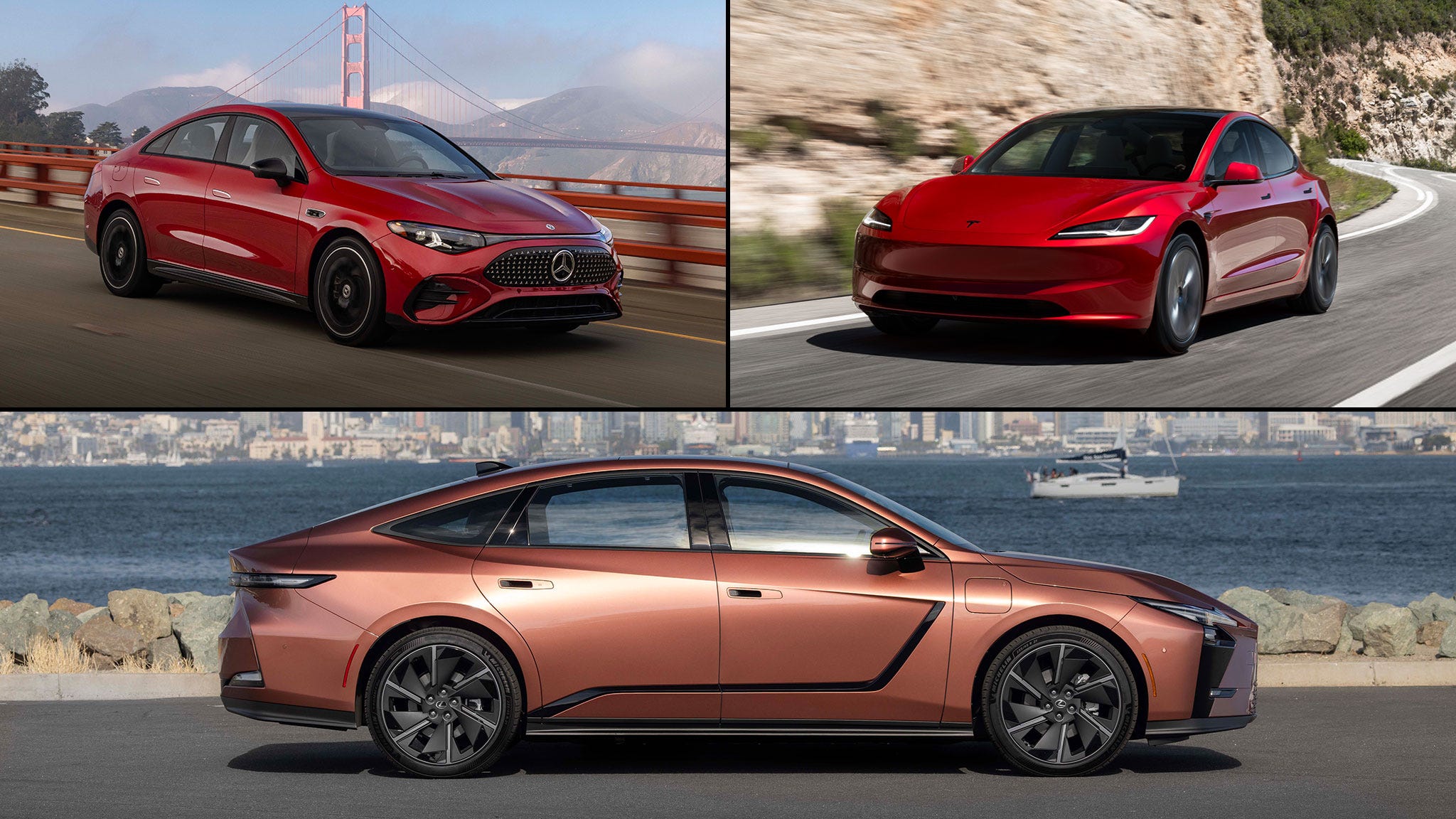
Most of the headlines in the EV arena lately have focused on the upcoming slate of 400-mile electric luxury SUVs—namely the new Volvo EX60, BMW iX3, and Mercedes-Benz GLC—starting at around $60,000. But just as noteworthy, if not more so, has been the recent launch of a couple of new all-electric cars stickering for thousands less.
Suddenly, the Tesla Model 3 has some real competition in the form of the new Mercedes-Benz CLA and Lexus ES EV, both of which enter the market this year with base prices around $50,000 but with almost nothing else in common. Here’s why these new models matter and what makes this unlikely trio of luxury cars a group to consider despite their significant differences.
Whether it’s eating at a fine restaurant or shopping for a new car, having choices can help you zone in on what’s important. For years, Tesla has been the default choice in the loosely defined segment of attainable all-electric luxury cars. Now things are changing, and the moment isn’t lost on us.
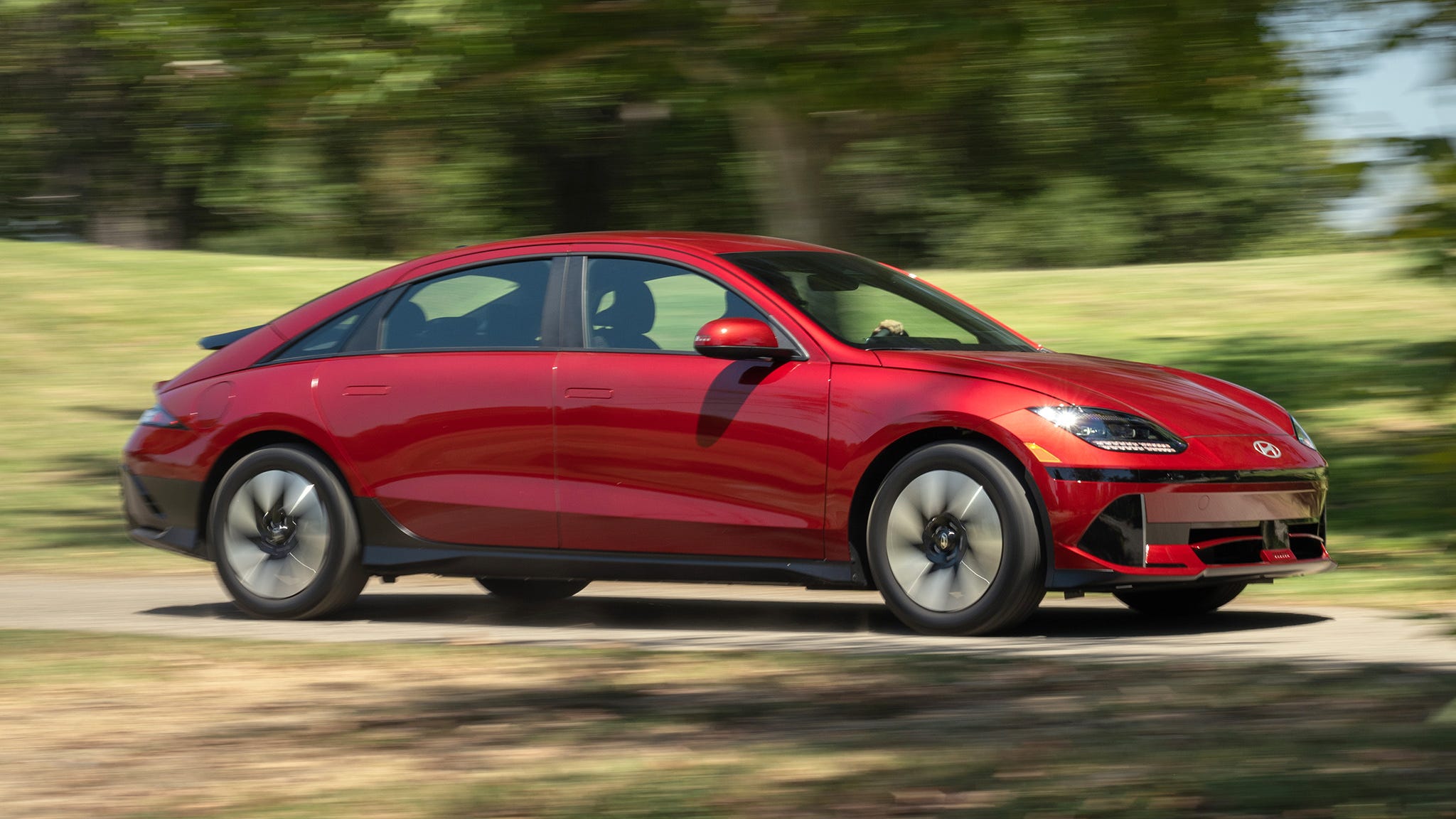
Lately, it feels like there have been more exits than entries into this segment. The Kia EV4 nearly made it to our shores before Kia reconsidered. The swoopy Hyundai Ioniq 6 —which nearly won Car of the Year—has been axed, and the Polestar 2 isn’t currently available in its new form.
So when we say the long-running Model 3 has two ambitious new competitors, it’s worth noting. In the $50,000 to $60,000 range, shoppers now have three interesting options in the premium electric car space.
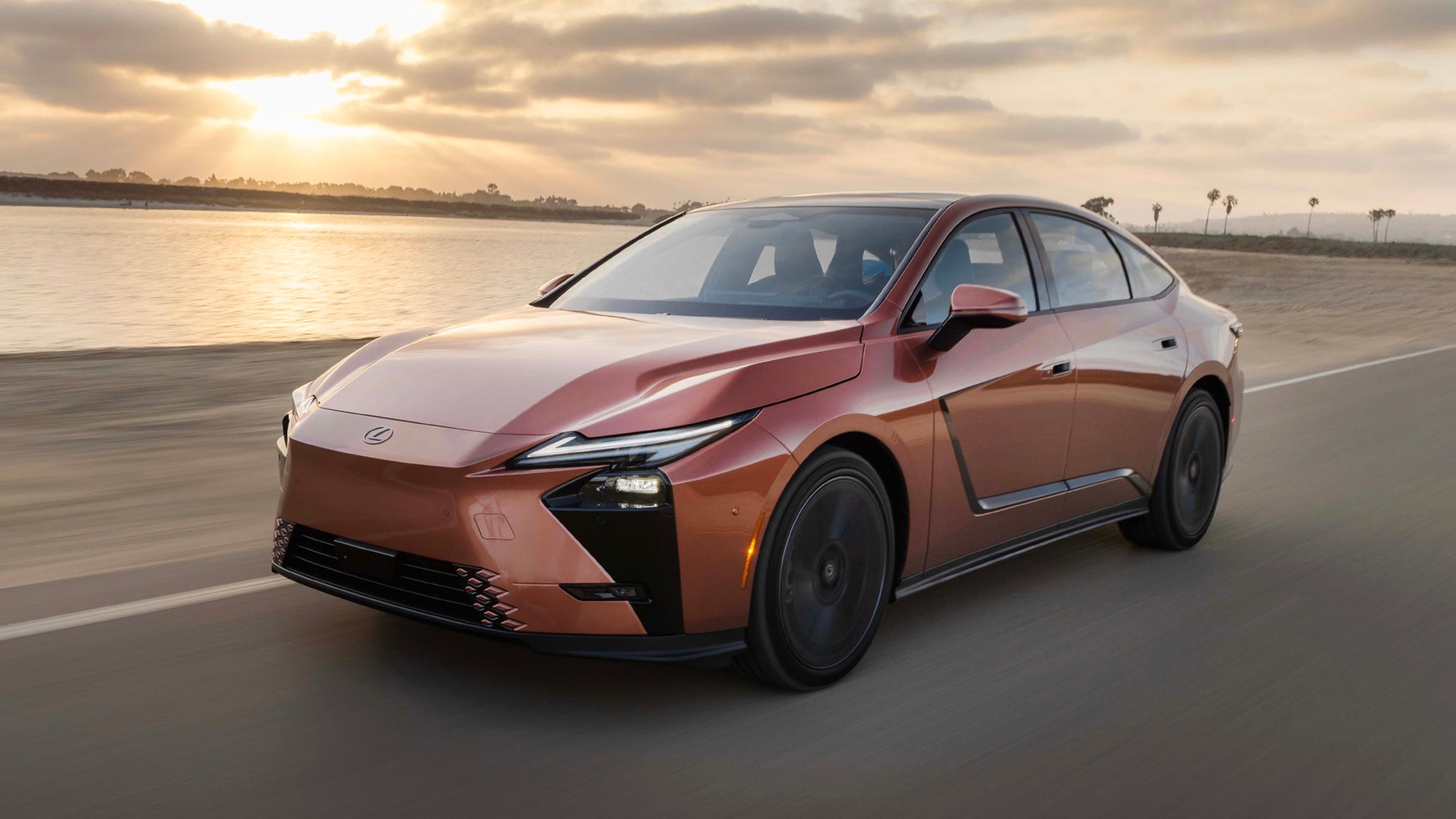
In our First Drive review, we said the 2026 Lexus ES is best in electric form. The ES does what ES luxury sedans have done best for decades: offer sensible luxury without much sport. We’re talking about comfort and, with the new EV, quietness like you’ve never experienced on an ES.
Compared to the Model 3 and Mercedes CLA in EV form, the Lexus has more room to spread out in the back seat. That’s partly why Lexus offers a $3,635 Executive package focused on rear-seat luxury. A softer headrest joins power-reclining outboard rear seats with heating, ventilation, and the all-important massage function.
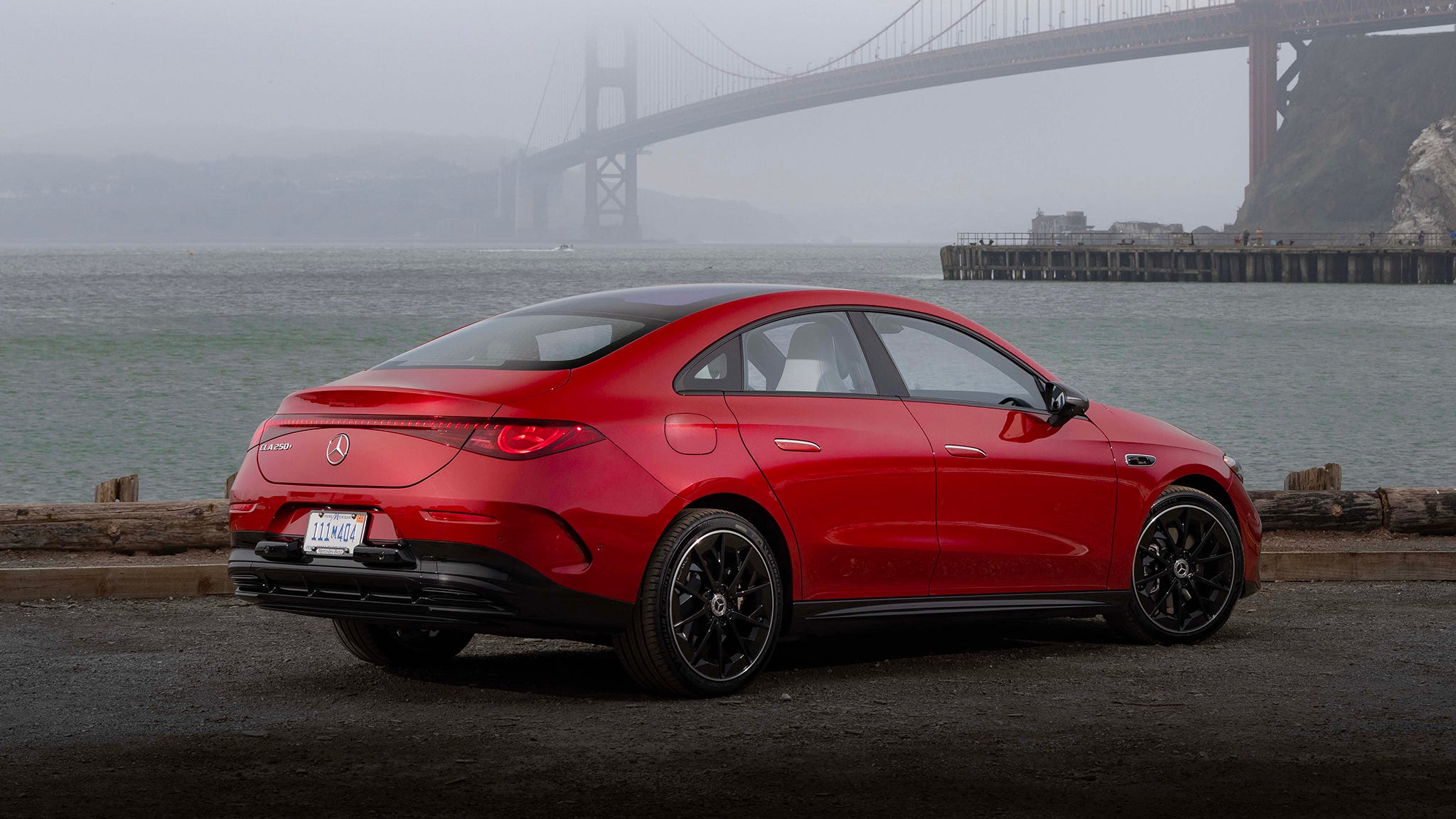
Like the Lexus ES, Mercedes will offer gas and electric versions of the CLA. And like the Lexus, the Mercedes will have two EV power levels with one adding AWD. What distinguishes the Mercedes is almost everything else.
The CLA focuses on design. This is a car you’ll want to take a good long walk around to see if its style speaks to you. That’s always been part of the CLA’s heritage—a design-first, practicality-second strategy along with decent pricing for a Mercedes.
What’s shifted for this new model is the in-your-face tech. Even before you get in, the car welcomes you with a light and sound show that can be programmed from one of several options. The sounds return when you pin the throttle down on the highway. It’s a little silly (they can be turned off), but it should make the Benz a bit more fun for the right audience.
A trio of screens defines the dashboard inside, but you sacrifice comfort and space. The car jumps over freeway expansion joints, wide side sills make entering and exiting the car slightly more difficult, and rear-seat space is merely adequate.
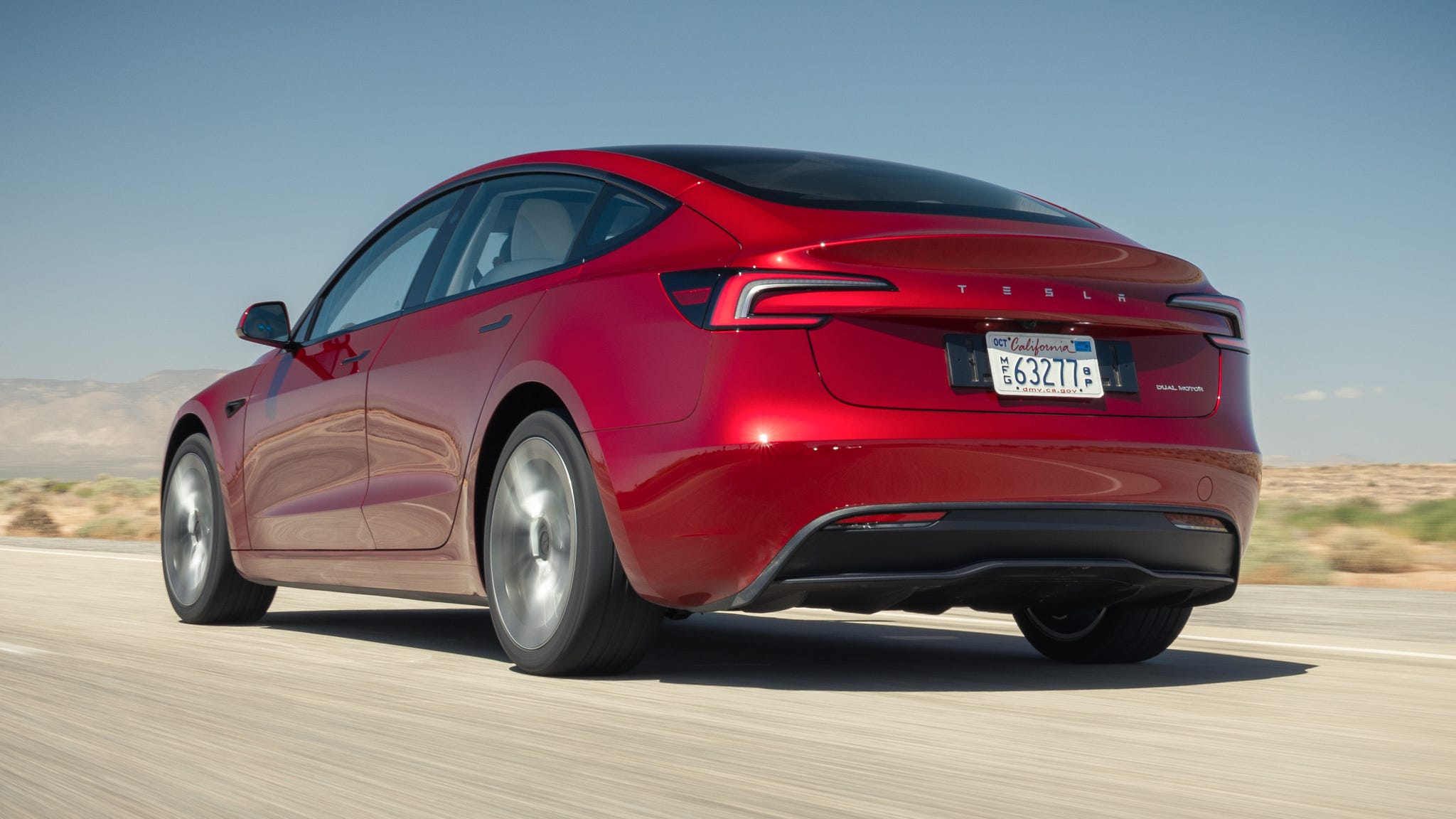
Few would question the luxury credentials of a Mercedes-Benz, but that’s not the case for Tesla. As debate continues about whether Tesla is truly a luxury brand (the new base models don’t help the argument), the Model 3 continues to be the best vehicle it makes.
Offered at a way lower price than the Mercedes and Lexus, the Model 3 features an interior that’s either too plain or refreshingly minimalist depending on how you see it.
However, the Model 3’s one-pedal driving controls are well tuned, its semi-autonomous driving tech is solid when used responsibly, and the Model 3 Performance is one of the quickest cars you can buy under $100,000. Pretty good for a car that’s nearly a decade old.
The Lexus ES isn’t the range leader here, but the trade-off is a more substantial car with a larger interior. The FWD 2026 ES 350e has 292–307 miles of estimated range while the AWD ES 500e is good for 272–276 miles. These numbers are more in line with the similarly sized BMW i5, which carries a base price nearly $20,000 higher but offers more standard performance.
Mercedes reaches 374 miles of EPA-rated range with the CLA250 if you stick with the small wheels, 317 if you don’t. The more powerful CLA350 AWD comes in at 312 miles.
The Tesla Model 3’s EPA-rated range varies by the model. The Performance is rated at 309 miles, the Premium RWD at 363, and the Premium AWD at 346.
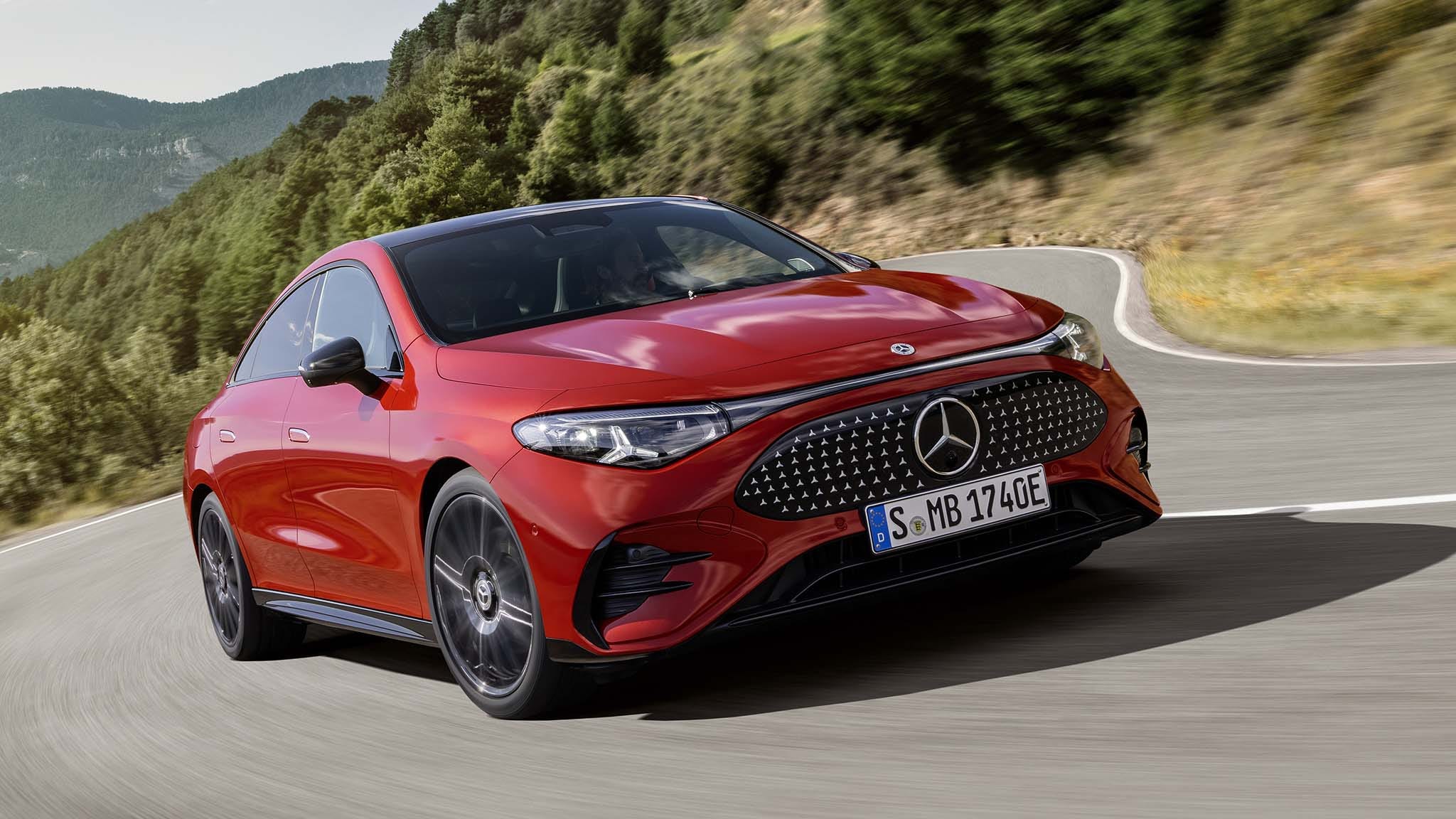
In our exclusive MotorTrend Road-Trip Range testing, we found the CLA250 could go 333 miles. The test measures how long a car can go on a highway at 70 mph from a full charge down to 5 percent battery life. In the same test, the best performance from a Model 3 we could achieve was a much shorter 258 miles.
The compact Mercedes CLA250 wins on range, with the Tesla Model 3 a close second, and the larger Lexus finishing third. In everyday driving, this won’t matter as much if you have a home-charging setup.
Overall, this is a trio that features a refreshing amount of variety for a similar amount of money. The Lexus focuses on comfort and rear-seat space, the Mercedes on design and tech, while the Tesla offers a lower price and better straight-line performance. But what these disparate cars demonstrate more than anything is that you don’t need to spend more on an SUV to own an interesting and impressive luxury electric vehicle.
Comments (0)