
You can now buy your own humanoid robot and make your own videos of it doing backflips and such. Chinese startup UniTree was founded in 2016 by Wang Xingxing, who’d built a quadruped robot called XDog as his master’s thesis at Shanghai University. It made such a splash that he quit a job at drone-maker DJI and founded UniTree to perfect quadruped robots.
Why should MotorTrend (and you, the car-enthusiast) care anything at all about robots? Up to now, cars have typically been the second priciest product Americans buy. They’re expensive, practical, alluring, and sometimes dangerous. Robots have many of those attributes in common, and lots of car companies are investing millions in building humanoid robots.
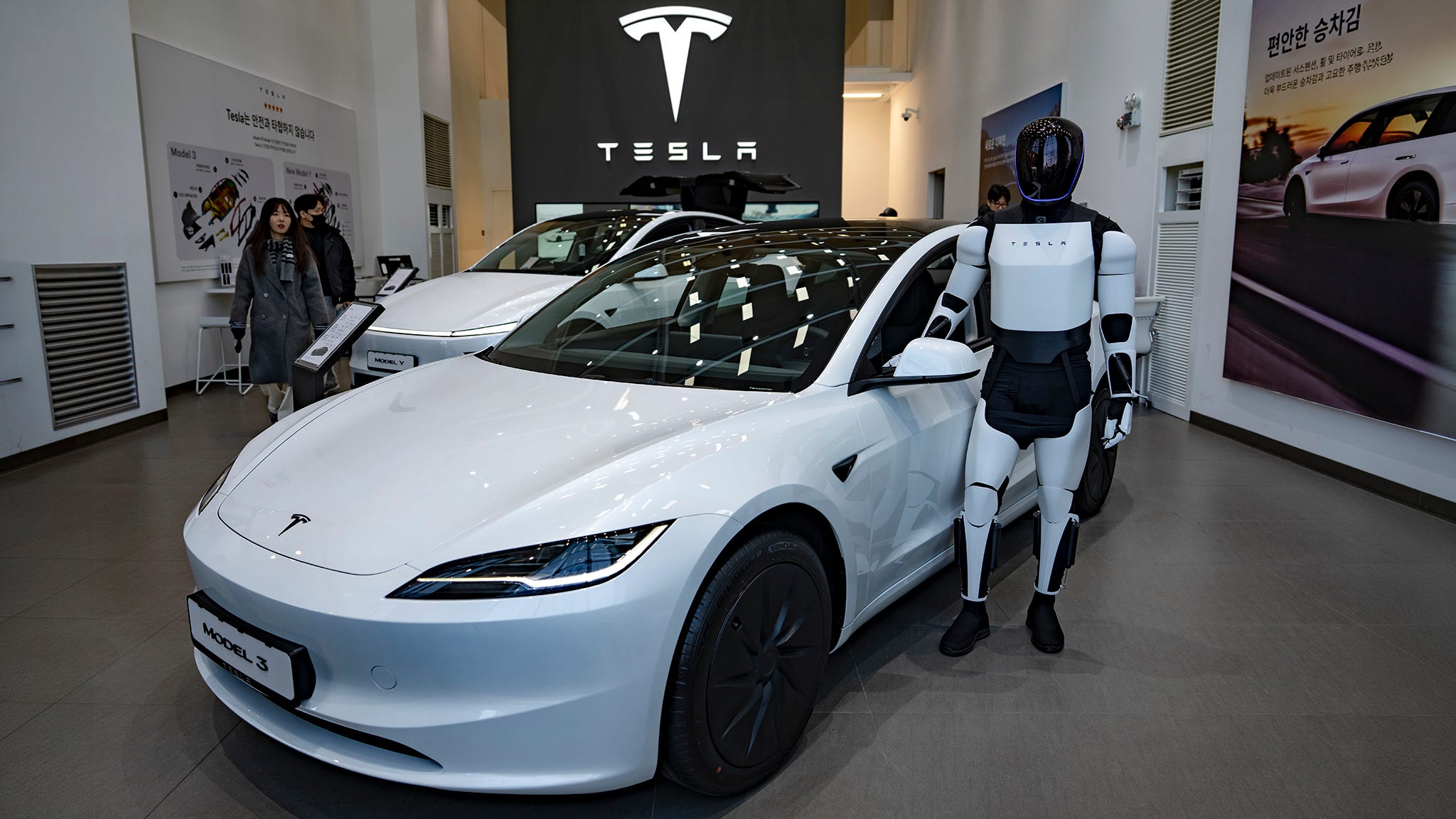
Most are making that investment primarily to help them build your next car, but you just know Elon Musk will be more than happy to sell an Optimus robot to do your bidding. You’ve trusted MotorTrend to give you the inside scoop on cars for 77 years, so who better to keep you up to speed on the emerging humanoid robot market—some nerds at an electronics mag?
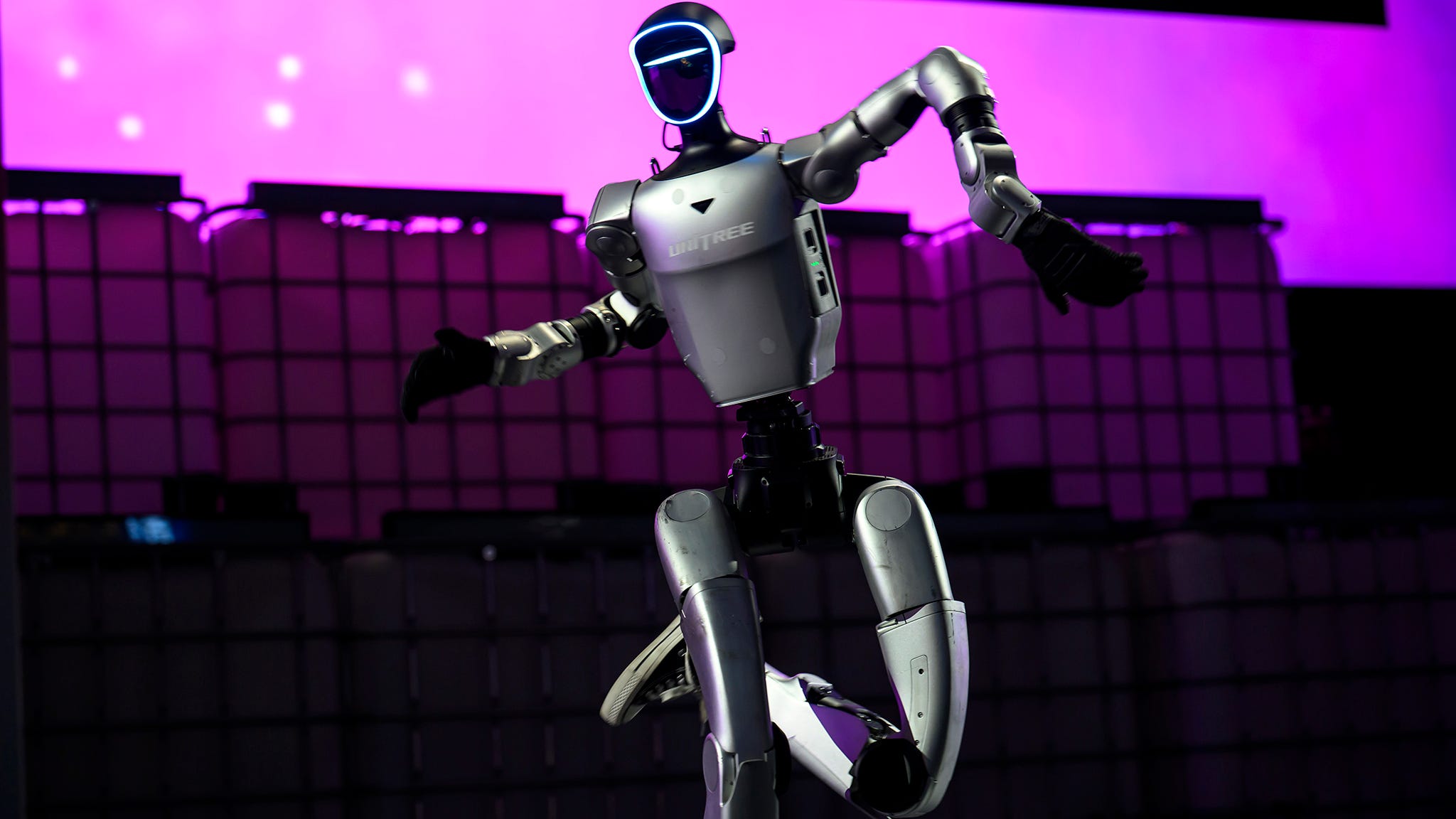
UniTree offered a range of research and industrial quadruped robots from 2017 to 2020 before offering the Go1 and Go2 consumer-grade models starting in 2021, priced in the $1,600–$3,000 range. The G1 biped humanoid robot is a natural extension of this product. It stands 4 feet 2 inches tall, weighs just under 80 pounds, can walk at about 4.5 mph, climb stairs, perceive its environment with available lidar and RGB cameras, and perform backflips. Battery life is about 2 hours—less with continuous manipulation.
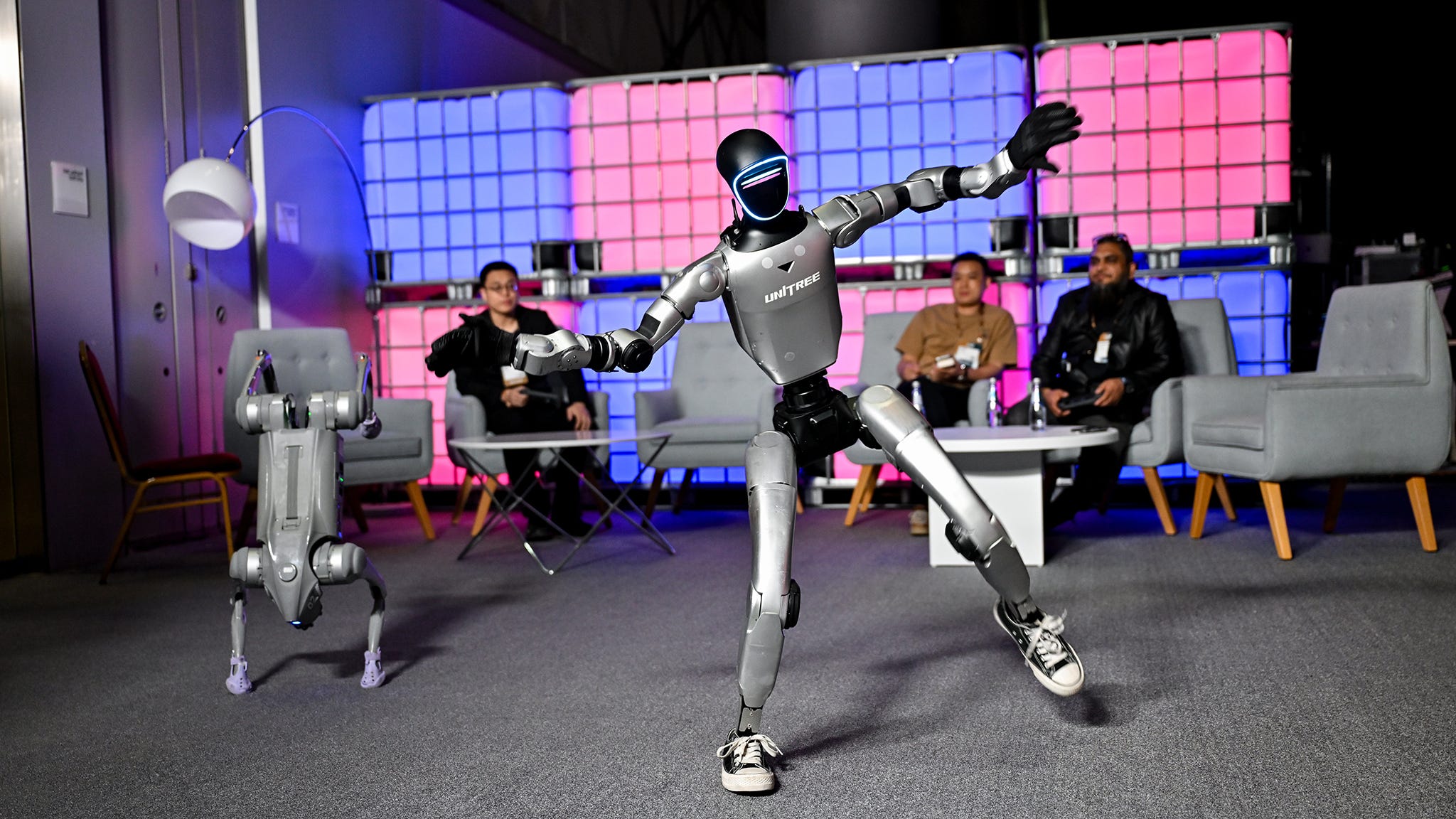
The basic model with fixed hands is advertised for $17,900, but that price does not include the full software development kit (SDK) needed to make it perform serious autonomous tasks. You can kind of only push it, walk it, and maybe make it do backflips.
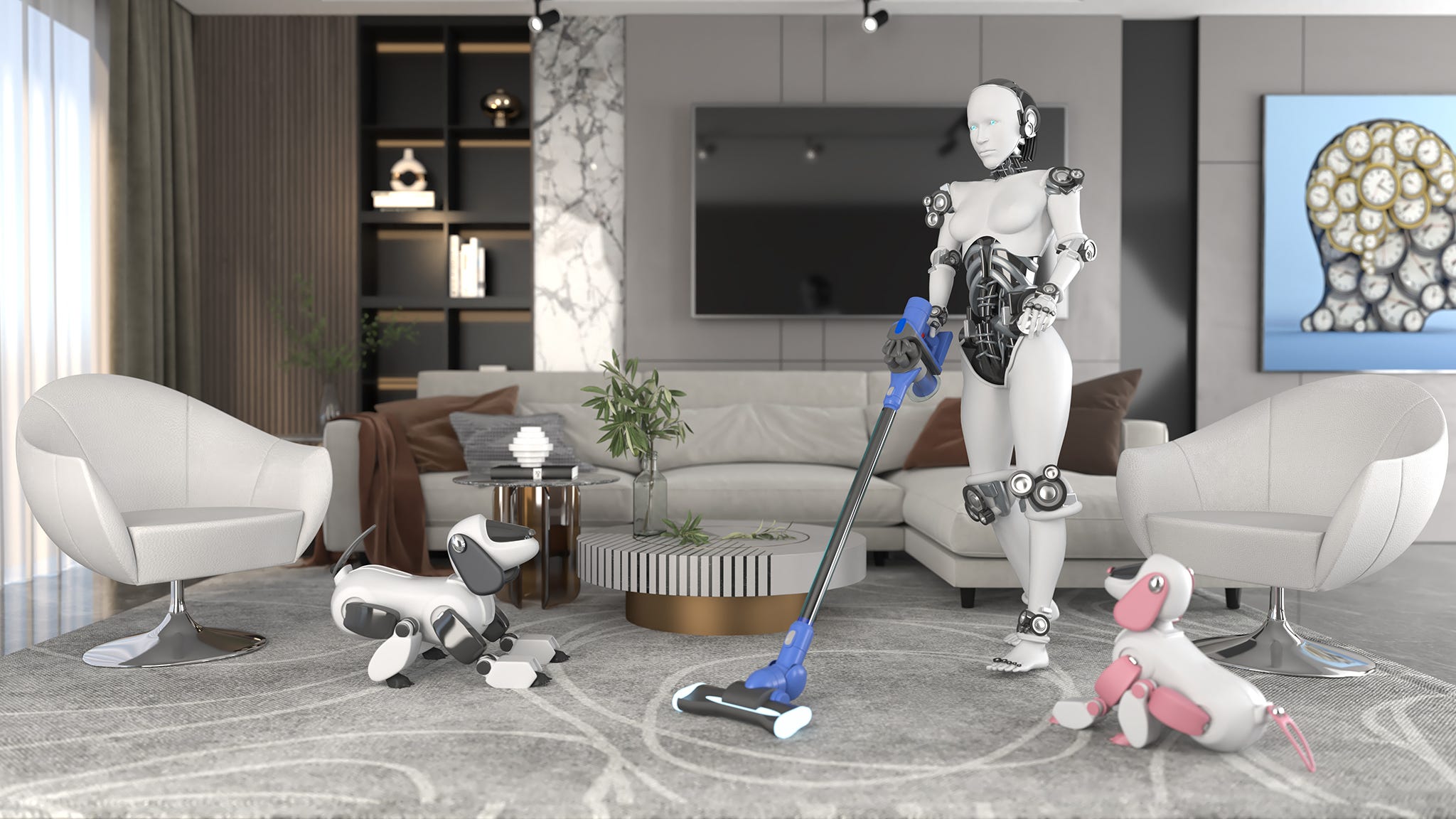
If you want to write your own behaviors and ask it to do anything (like vacuum the house or shake you a martini) you’ll need to upgrade to an EDU model starting around $44,000 or probably to one of the models with dexterous hands, priced from $65,900 to $73,900. That’s still a tiny fraction of the cost of earlier robots, so UniTree humanoids will mostly be purchased as development platforms for next-generation “embodied AI.”
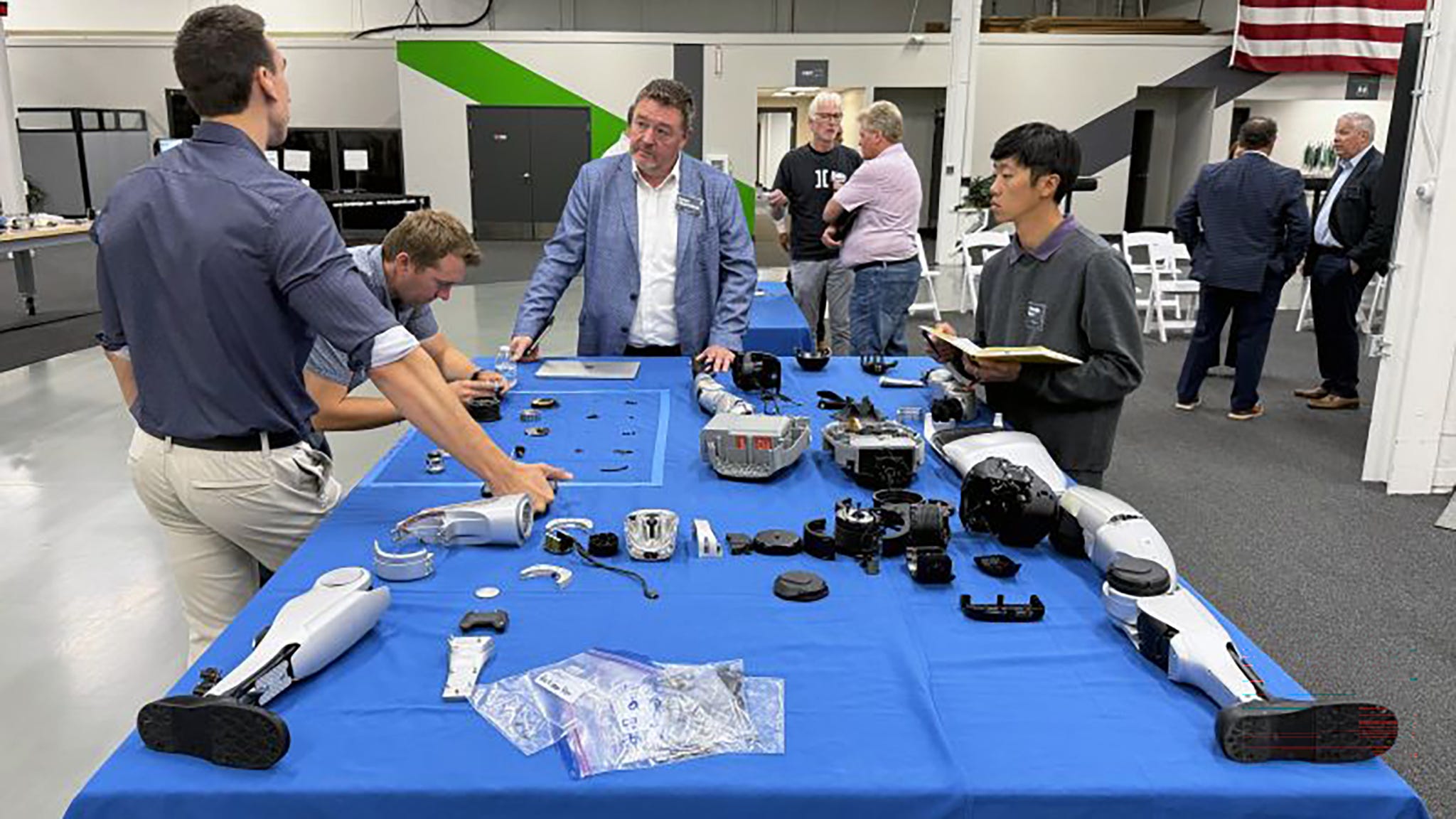
Munro & Associates is primarily an automotive benchmarking company, with expertise in carefully disassembling vehicles (and other products), then precisely analyzing how the various parts were made and assembled. They use this information to help companies produce their next product lighter, stronger, better for less money. Their website URL says it all: www.leandesign.com . Munro purchased a base G1 and reported that out of the box it was very buggy and needed several software updates before it would do anything. Then they pushed and shoved it until it fell down, whereupon it proved unable to stand back up (more expensive models can). Then they tore it down and analyzed its design and manufacture, leaning on their extensive experience analyzing electric vehicles.
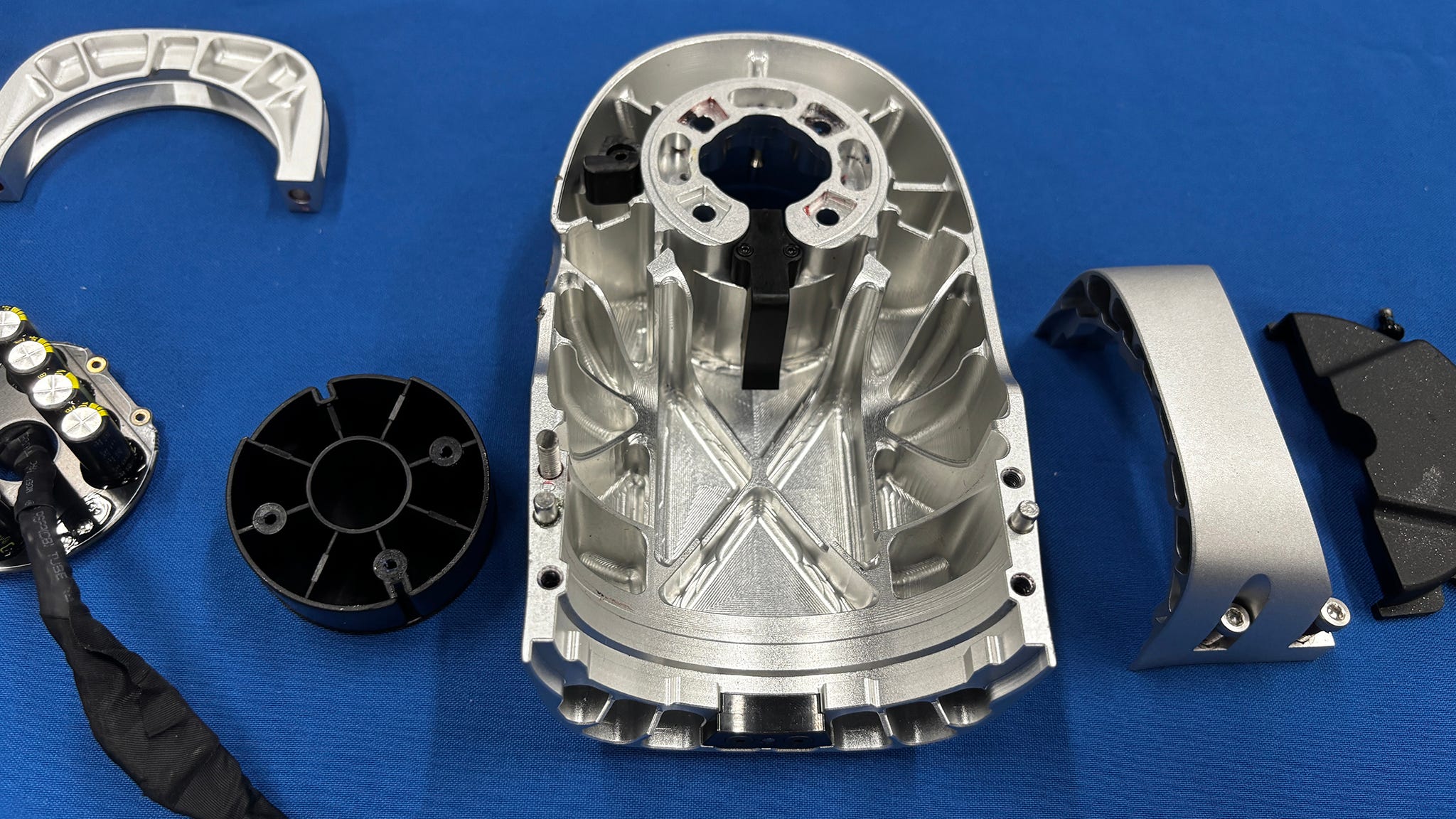
Not really. While Munro praised many subsystem designs, the company reckons UniTree spent big to earn “first-mover” advantage, selling a commercial product with lots of parts produced using prototype technology. Its rough first cut at the total cost for the bill of materials is $10,000. Many aluminum parts appear milled from billet and many plastic parts appear 3D printed. Casting, machining, and molding these parts will eventually pay off with big savings.
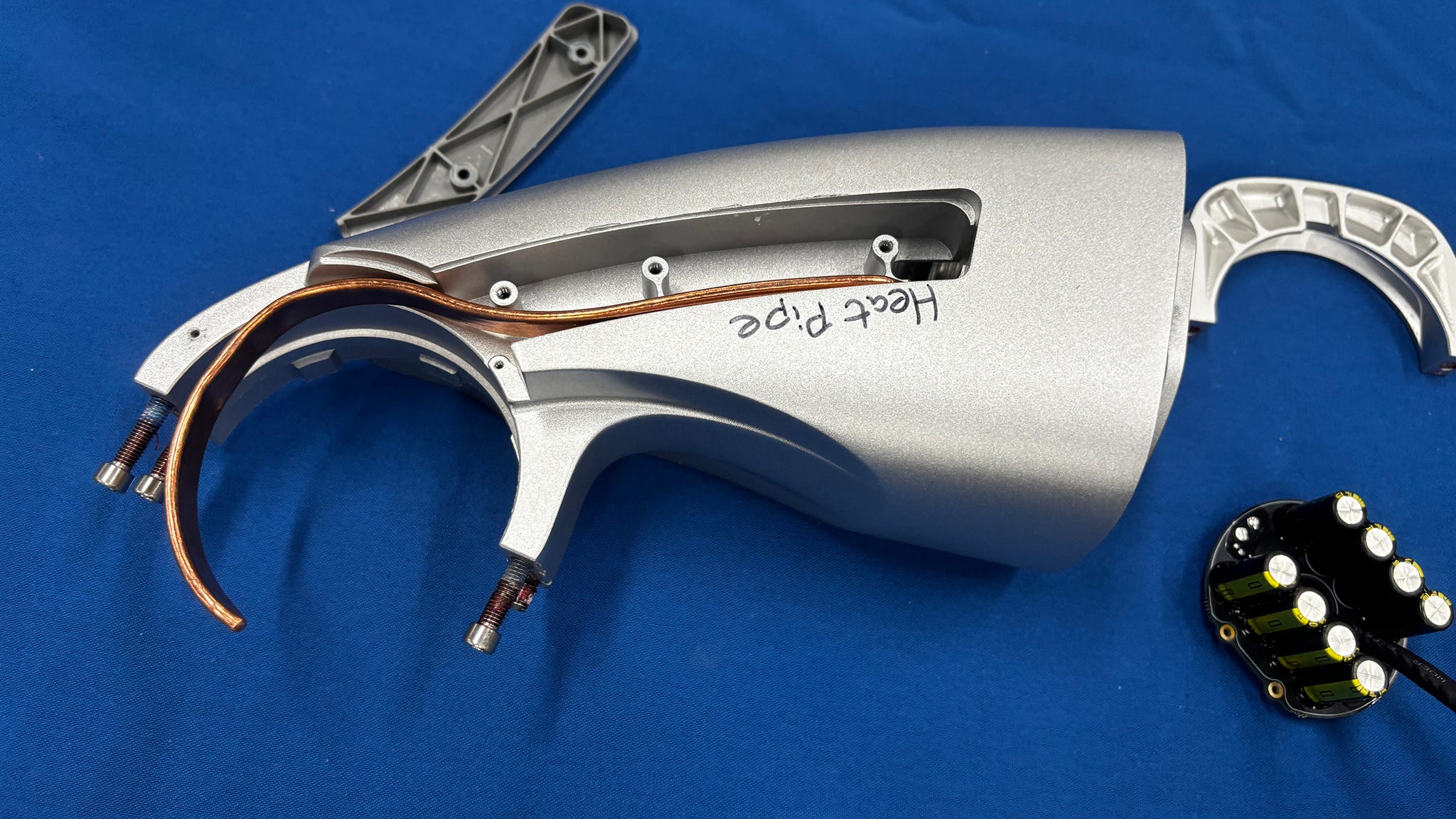
Munro believes many actuators were ported over directly from the Go2Pro Robot Dog. Heat generated by the motor actuators is mostly conducted into and dissipated from the aluminum housings that form the exoskeleton.
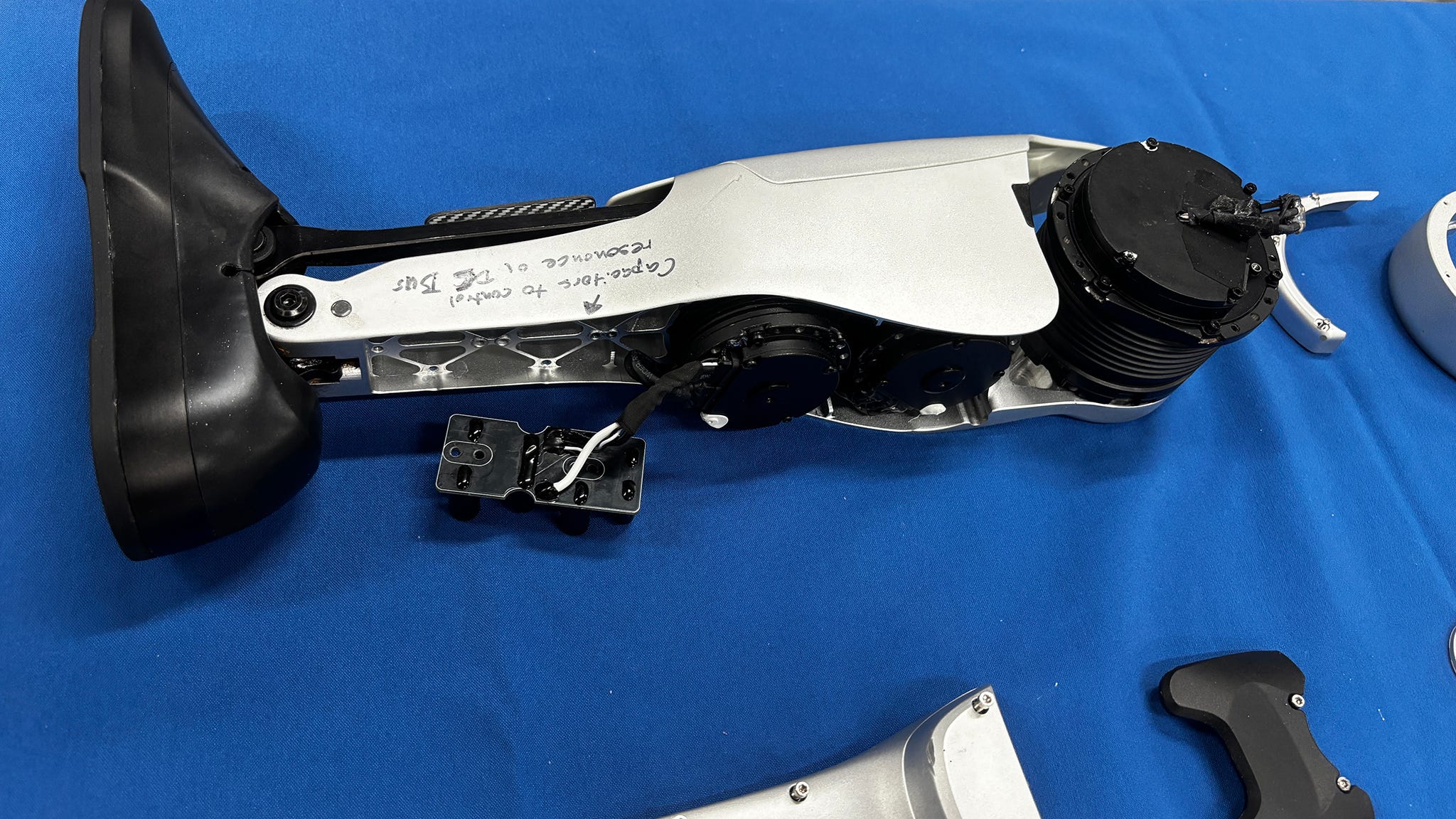
The foot/ankle joint utilizes a rotary-spherical-universal (RSU) type design optimal for stable standing and walking, as it separates lateral and longitudinal bending. Hands will be designed like human ones—actuators up in the forearm acting on “tendons.”
The robo-enthusiast presenters at the Munro event swear they won’t. They say humanoid robots will merely remove toil, leaving safer, easier, more rewarding work to humans. Examples they listed: The advent of photography freed painters to explore Impressionism. Orchestras can be replaced by computers, and yet the number of performing orchestras increased 50 percent between 1990 and 2025 (from 1,200 to 1,800). Mmmmmm, okay.
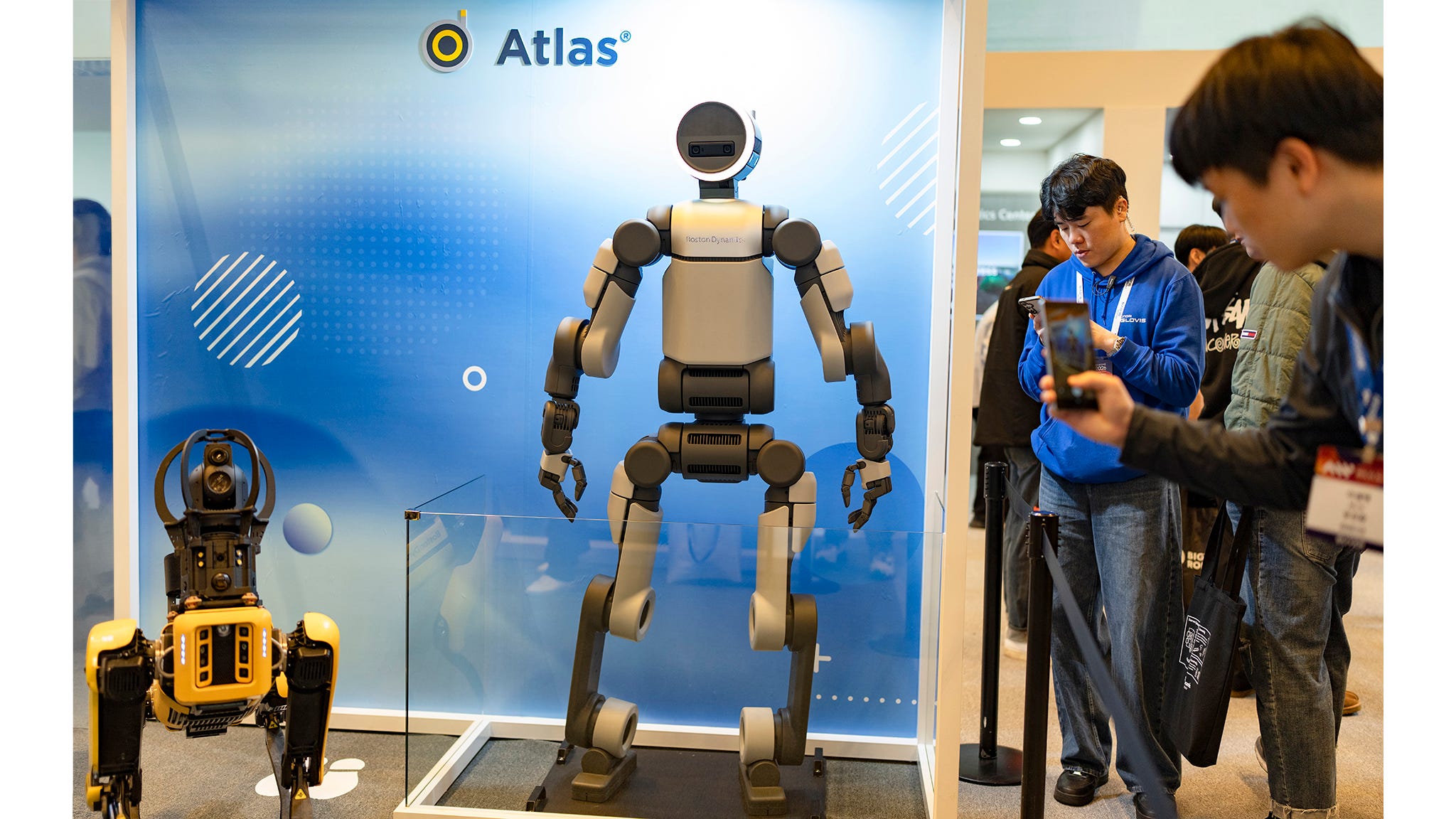
Automakers who have confirmed humanoid robot programs but have yet to demonstrate them include Nio, Li Auto, and Seres. Companies partnering with robotics firms include Mercedes-Benz with Apptronik, which is testing Apollo humanoids in a Berlin plant. BMW is testing Figure AI humanoids in Spartanburg. Geely is working with UBTech to deploy Walker S robots in its plants. And Great Wall Motor has partnered with UniTree to integrate humanoids into manufacturing rather than developing its own platform.
Where’s Honda’s ASIMO on this list? It was a demonstration project built to prove that robots could walk, climb stairs, etc. Honda retired the ASIMO program in 2018. The situation is similar for Toyota’s T-HR3 teleoperated humanoid, for which there is also no stated commercial aim.
Stay tuned right here for updates on this emerging market, and don’t be surprised if one day we add humanoid robots to our Buyer’s Guide and develop an Ultimate Humanoid Rankings page.

Comments (0)