
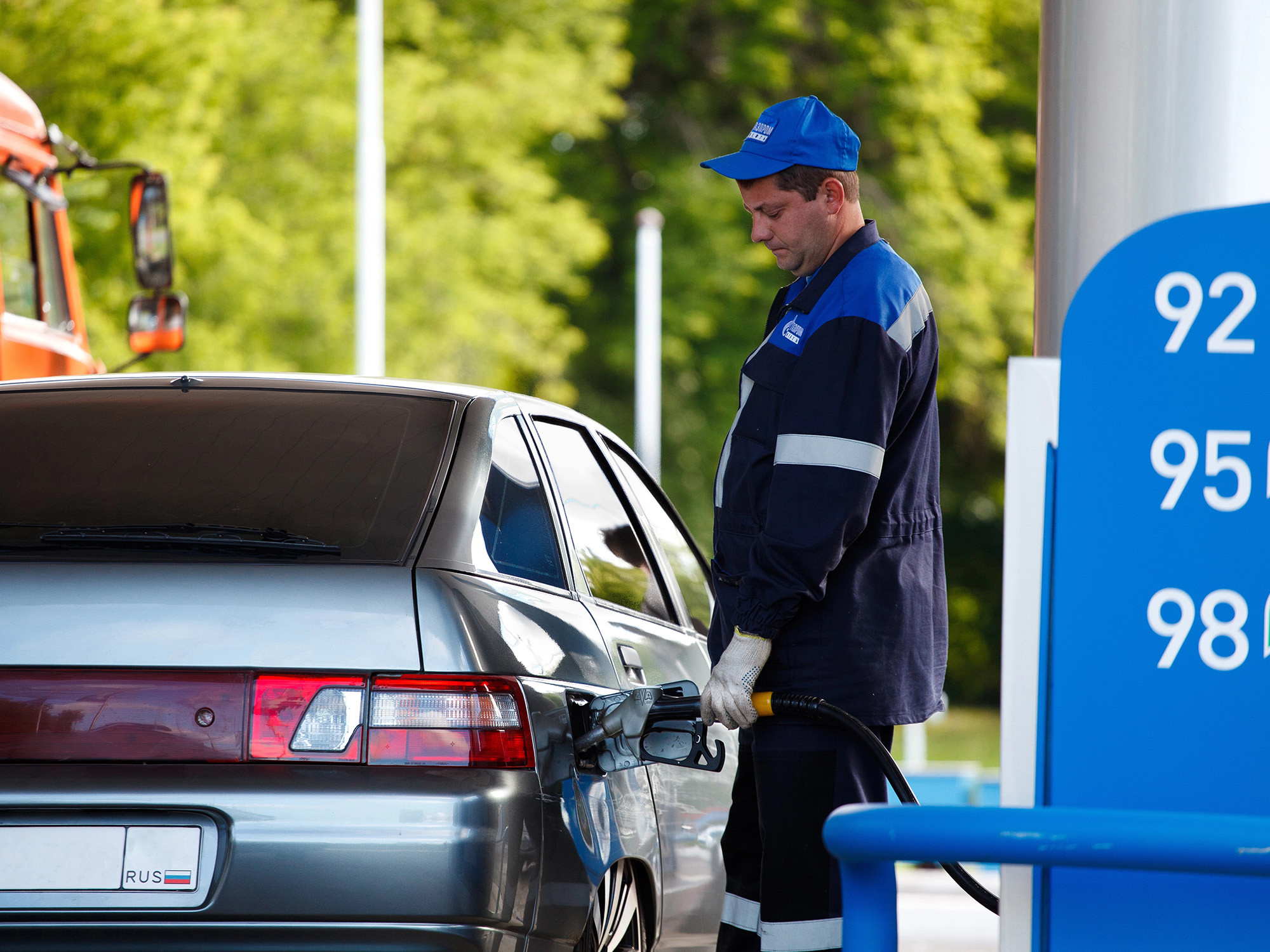
The country's oil refineries have been temporarily allowed to switch from Euro-5 to Euro-3 standard gasoline – let's figure out what such a "fuel downshift" threatens and whether it can be fought with improvised means?
There was, I recall, a dialogue in the cult film "Election Day": "Where can I find a European power outlet, do you know? – In Europe…". Actually, the Euro-5 fuel standard came into use in that very Europe back in 2008, but here – only in 2016. Before that, Euro-3 fuel was widely present on the market, and the transition period stretched for years (the Euro-4 standard, which was in effect in Europe from 2006 to 2009, was never really introduced here). And we never switched to Euro-6, which is current in many countries, and now, apparently, we won't switch anytime soon.
The other day, the Russian government allowed oil refineries to produce gasoline and diesel fuel with Euro-3 class indicators for our market. Although it's not really "allowed" but "extended permission": such a relaxation in fuel quality was made back in the fall of 2025, and now its validity has merely been prolonged. The measure is supposedly intended to help increase the amount of fuel on the market, but the news unpleasantly stunned domestic car owners. Not only is gasoline scarce in some places, but even that which is unavailable will now be of poor quality.

What is the chemical difference between the "Euro" standards? Despite the fact that these standards include many parameters, they are all mere trifles against the background of the main factor – the permissible amount of sulfur in milligrams per kilogram of fuel. Euro-3 allowed up to 150 mg/kg, and Euro-5 – no more than 10 mg/kg. The difference is significant – 15 times.
In gasoline, sulfur is not present in the form of poorly soluble yellow crystals, which some may know from school, hobby, or professional chemistry, but in the form of mercaptans and sulfides. They are highly soluble in fuel, and therefore there is essentially no problem of them settling in the "cold" part of the car's fuel system. Sulfur from Euro-3 gasoline will not clog your fuel pump, block fuel lines, pressure regulators, the absorber system, or other components. In fact, even the risk of damaging injectors in traditional multipoint injection is minimal.
Problems begin in the "hot" part of the engine. A large amount of burning sulfur leads to an increase in carbon deposits on the piston crown, the upper part of the combustion chamber, and on the valves. The spray nozzles of direct injection systems operating in the hot zone become contaminated, and the fine pores of catalytic converters, characteristic of advanced modern engines, can also clog faster. The acid formed when sulfur combustion products combine with moisture from the atmospheric air causes corrosion in the cylinders during vehicle downtime (in fact, if anyone remembers the so-called "acid rain," a sign of environmental problems in the 90s – this is exactly it). Well, crankcase gases, again saturated with sulfur combustion products, actively oxidize engine oil, reducing its service life and causing an increased amount of varnish deposits under the valve cover, in the EGR system, and so on.
What can be done? Well, the full impact of a tenfold increase in sulfur content probably cannot be eliminated with minimal effort, but some relatively effective measures can be taken.
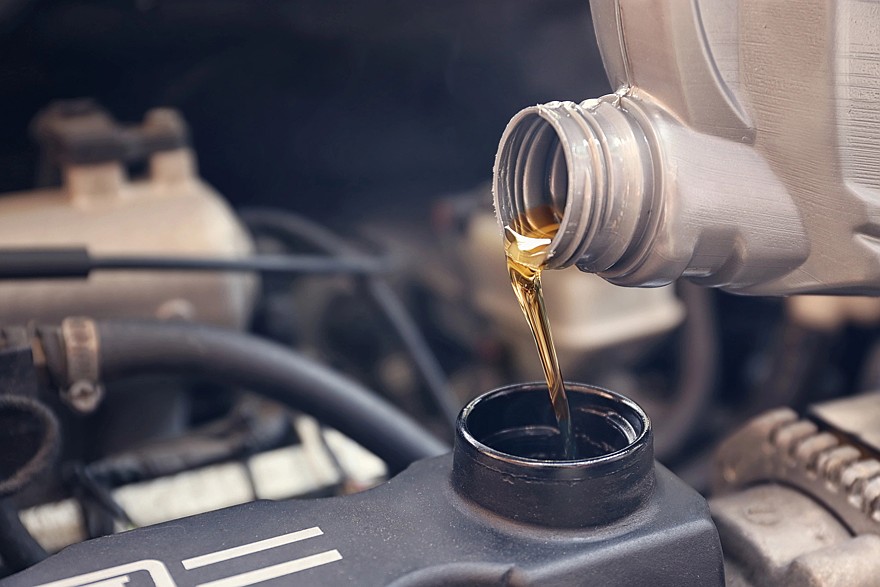
It is useful to reduce engine oil change intervals, switching if possible to synthetic oil with a higher Total Base Number (TBN) – this indicator precisely indicates the amount of components in the oil responsible for neutralizing acidic elements that enter the lubricant with crankcase gases. You should check the cleanliness of the EGR system more often and prevent clogging and failure of its valves. It is advisable to use specialized cleaning fuel additives that can reduce carbon deposit formation in the combustion chamber, on direct injection injectors, and in catalytic converters.
To increase the level of erudition a bit, let's figure out what the process of cleaning sulfur from gasoline at a refinery actually is and why, at the current very high level of petrochemical development, this still represents a certain problem and a field for research by scientists worldwide.
It's good when the oil is high-quality, light, and low-sulfur, but often refineries receive difficult-to-process, low-quality raw materials – heavy, high-sulfur oils. The fuel obtained from them has to be cleaned of sulfur.
Today, the main industrial method is hydrotreating, which effectively removes sulfur compounds but requires high temperatures, pressure, and the use of hydrogen. In other words, it is lengthy and expensive. And still, difficult-to-remove sulfur compounds remain, so alternative cleaning methods are constantly being sought worldwide.
One such method was recently developed by chemists from Lomonosov Moscow State University and Gubkin Russian State University of Oil and Gas: oxidative desulfurization.
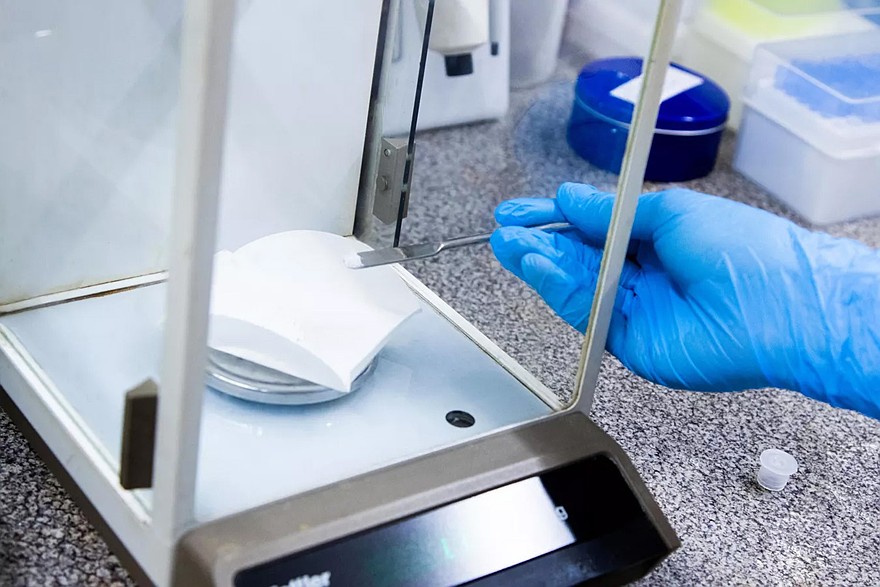
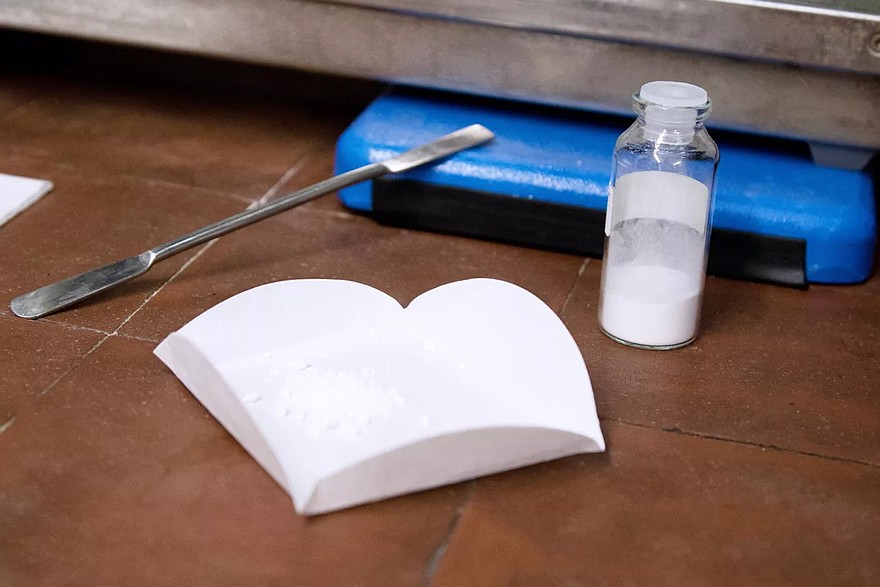
The main idea is to develop an efficient and stable catalyst for the process, allowing the purification of oil fractions from sulfur compounds virtually at room temperature, avoiding the strong heating that sharply complicates and increases the cost of the process.
An experimental complex-structured catalyst made of aluminum oxide, molybdenum oxide, sulfo groups, and hydrophobic organic molecules oxidized 78% of sulfur-containing compounds in just 15 minutes at a temperature of 25°C, which is an excellent indicator for the industry. Moreover, the process turned out to be selective – the oxidation did not affect valuable hydrocarbons.
And now we can descend from general and theoretical matters back down to earth, to our grave sins and applied tasks. Probably, few have not seen the latest news about how gullible Russian drivers are buying "miracle pills" on marketplaces that promise to turn water into wine. More precisely, from 92-octane gasoline – 95-octane, from 95-octane – 98-octane.
No, effective preparations for raising the octane number certainly exist, but this, alas, is not a penny pill per tank, but a can of about 300-400 ml, designed for 50-60 liters of fuel and costing quite a lot. The question is different: is there anything against sulfur? So you pour it in – and that's it! And how can you determine what kind of gasoline you've filled – Euro-3 or still Euro-5? How much sulfur is in it? Explains, again, petrochemist from Moscow State University, Argam Akopyan:
As for household determination of sulfur content in gasoline, there are virtually no reliable and safe methods for the average consumer. Modern fuels differ in sulfur content at levels that require the use of specialized laboratory equipment. Therefore, it is practically impossible to determine by appearance, smell, or using simple household tests whether gasoline corresponds to the Euro-3 or Euro-5 level.
It is also impossible in garage conditions, using available household means, to significantly reduce the sulfur content in gasoline, even if the seller of miracle chemicals on the marketplace fervently assures you of this. Sulfur compounds are in a dissolved state in the fuel and represent fairly stable organic molecules. They cannot be removed by simple settling, filtration, or adding any household reagents to a canister or fuel tank. Sulfur removal is a complex task of oil refining and requires special technological processes.
But overall, there is no need to dramatize the situation. If we are talking about the temporary use of fuel of a lower environmental class, this does not automatically mean the emergence of serious problems with the car. However, the global trend over recent decades has been precisely the consistent reduction of sulfur content in motor fuels, as this allows reducing the environmental burden and ensures more efficient operation of modern exhaust gas cleaning systems.



Comments (0)