
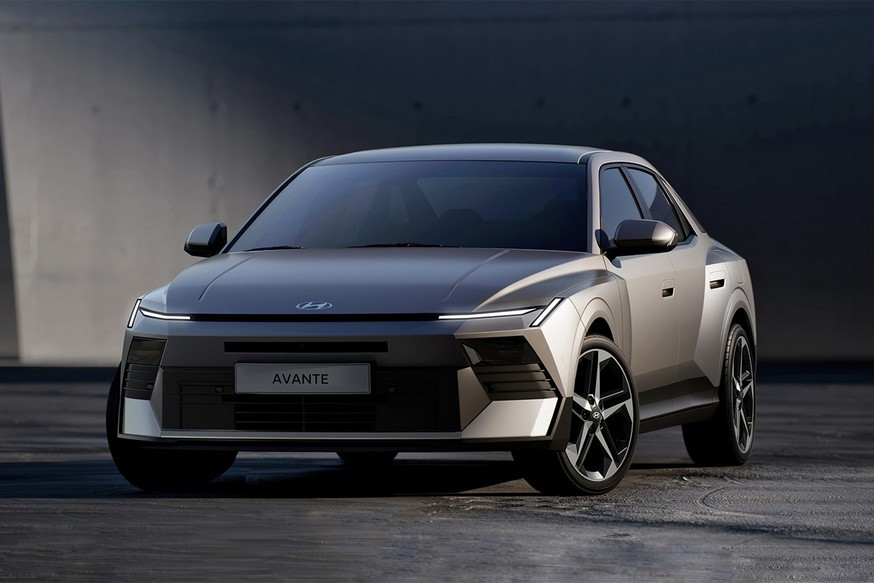
The Korean brand's four-door sedan has received a "sharp" exterior design, and in the cabin, separate screens have been installed instead of a single display. In its home market of South Korea, Hyundai will offer the "traditional" model with a new 2.0-liter naturally aspirated engine, while a "simple" hybrid option will also remain available.
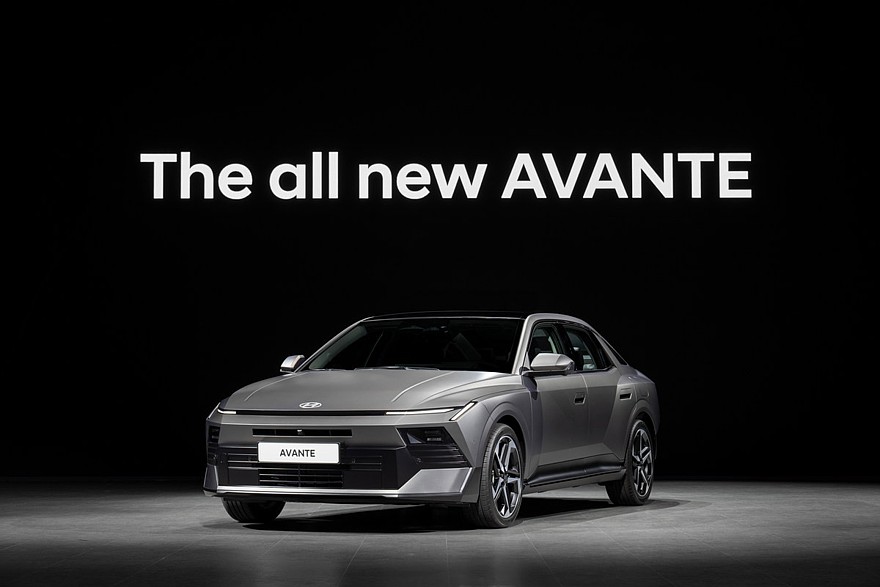
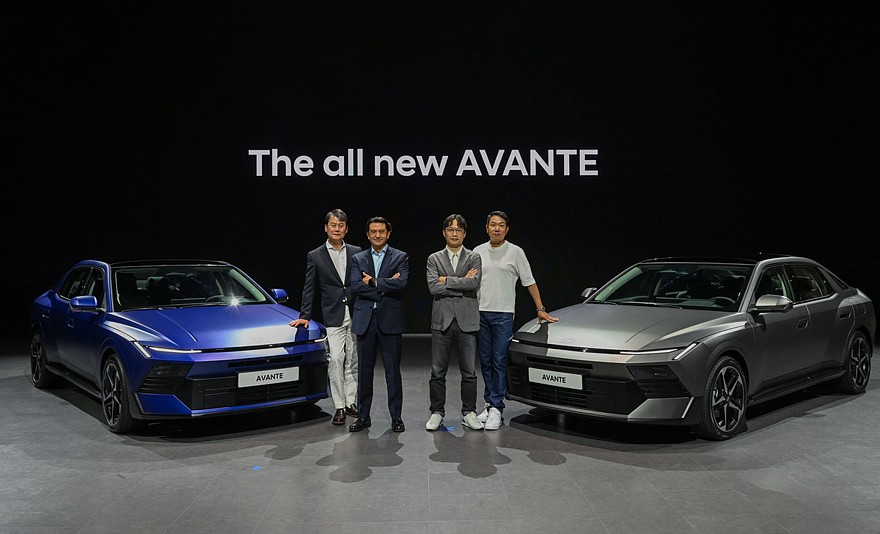
At the auto show in Busan, South Korea, Hyundai unveiled the new, eighth-generation Avante sedan. This name is used in the domestic market for the model known as the Elantra in other countries. The previous four-door sedan, it should be recalled, has been in production since 2020, with a facelift for the "seventh" Avante/Elantra carried out in 2023.
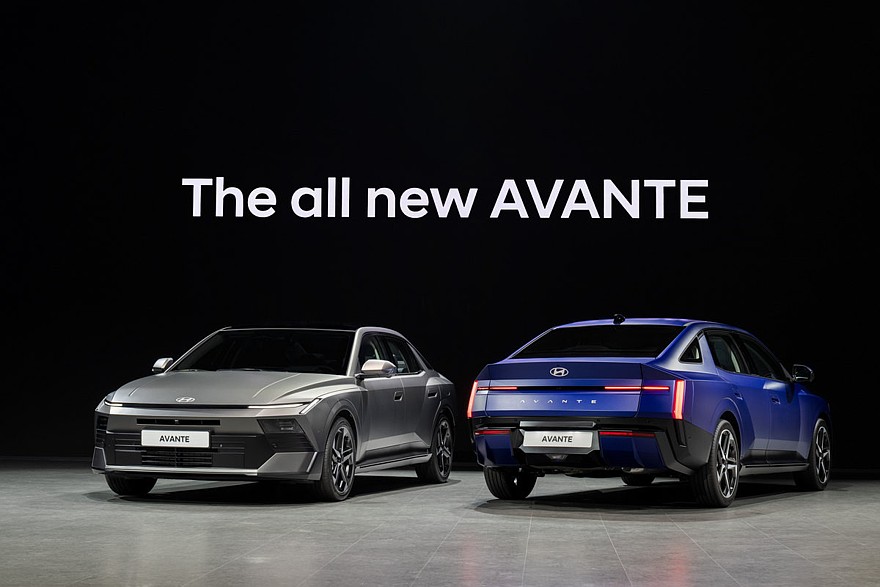
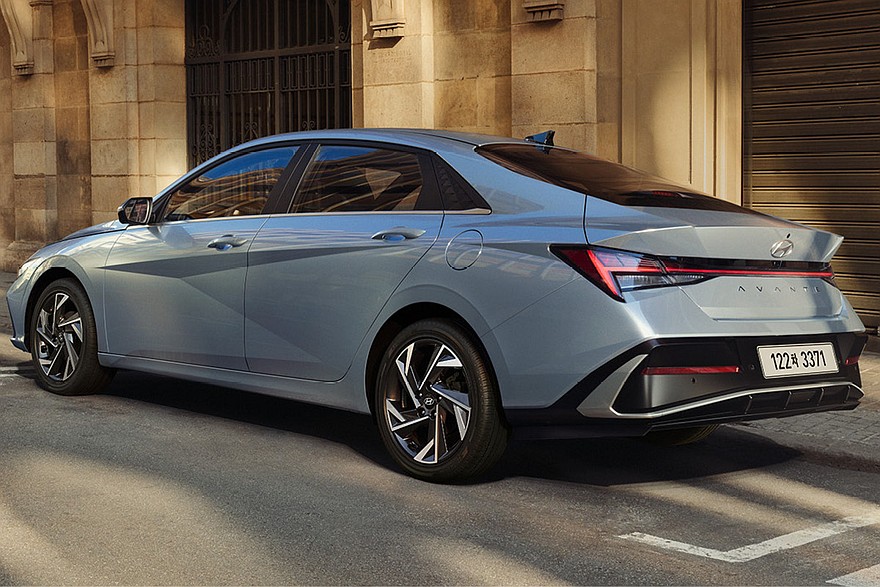
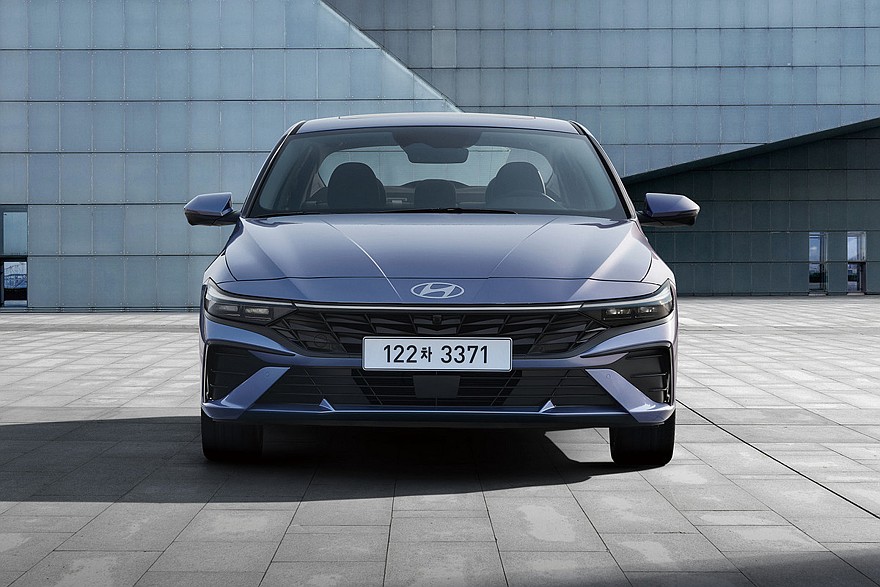
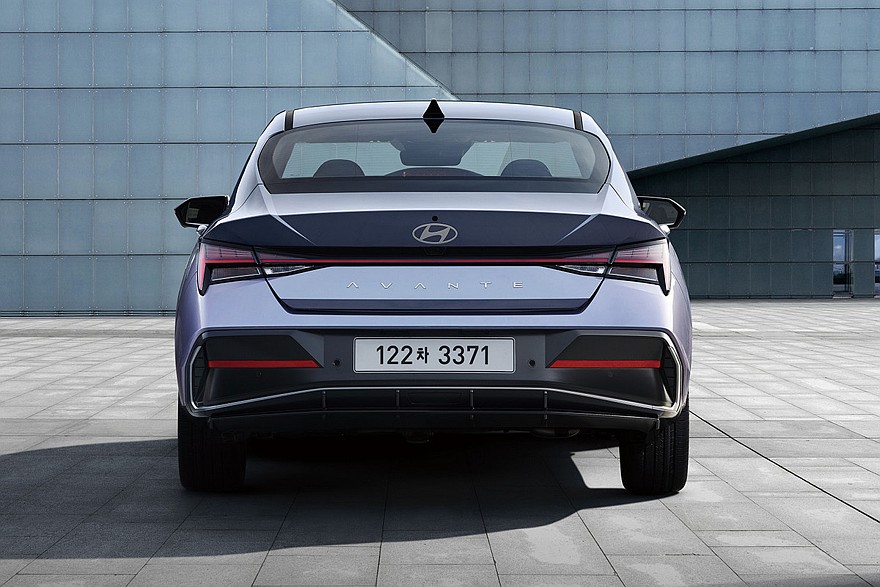
The sedan has undergone a radical image change. Hyundai noted that the new design is "based on the Art of Steel concept." Overall, the Elantra's appearance is styled in the same angular fashion as the Ioniq V, which debuted earlier in China.
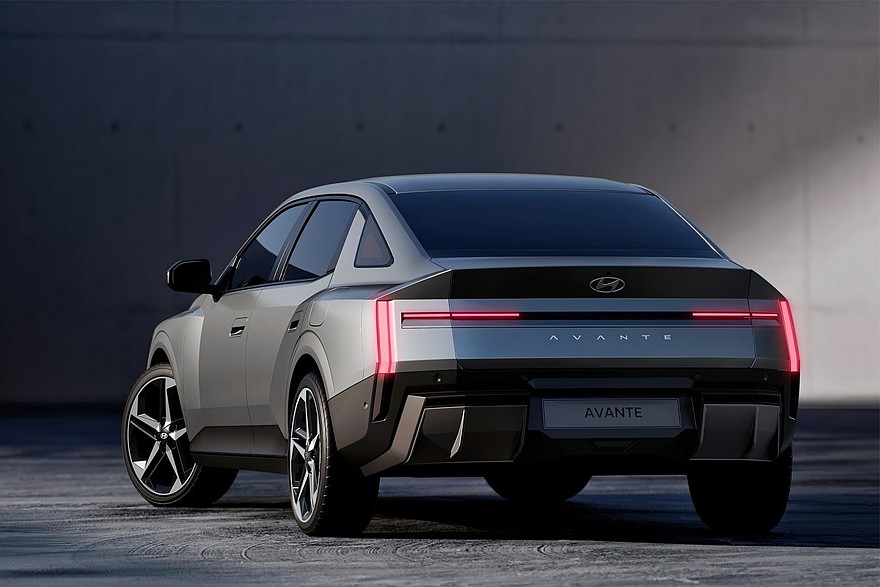
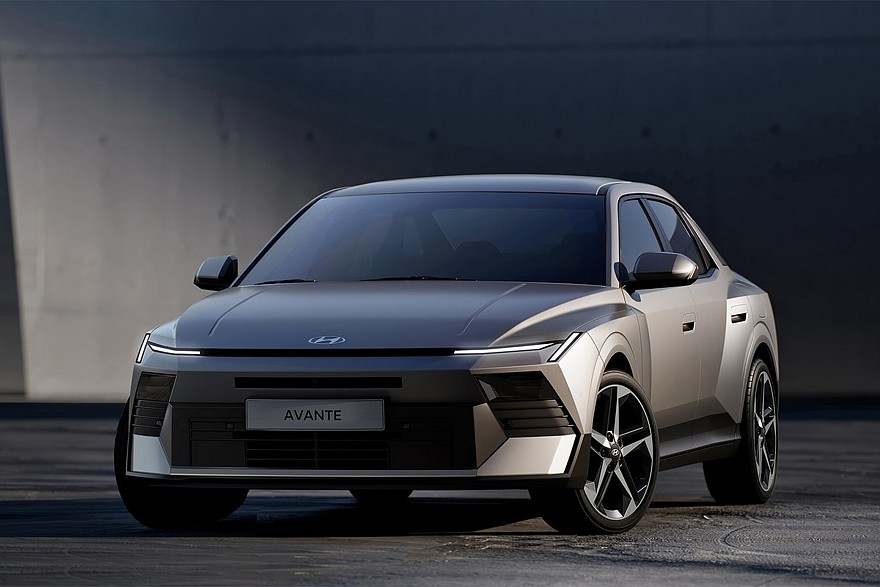
Key features of the new Hyundai Elantra's exterior include an abundance of "straight" lines on the body and muscular sides. The sedan features two-tier headlights: LED horizontal strips with adjoining angled sections are located at the top, while the main headlight units are positioned below. The rectangular radiator grille is integrated into the lower part of the bumper, with a "slot" just above it. The taillights are also designed as LED strips. Additional windows have been added to the rear pillars. Finally, the model gets semi-flush door handles.
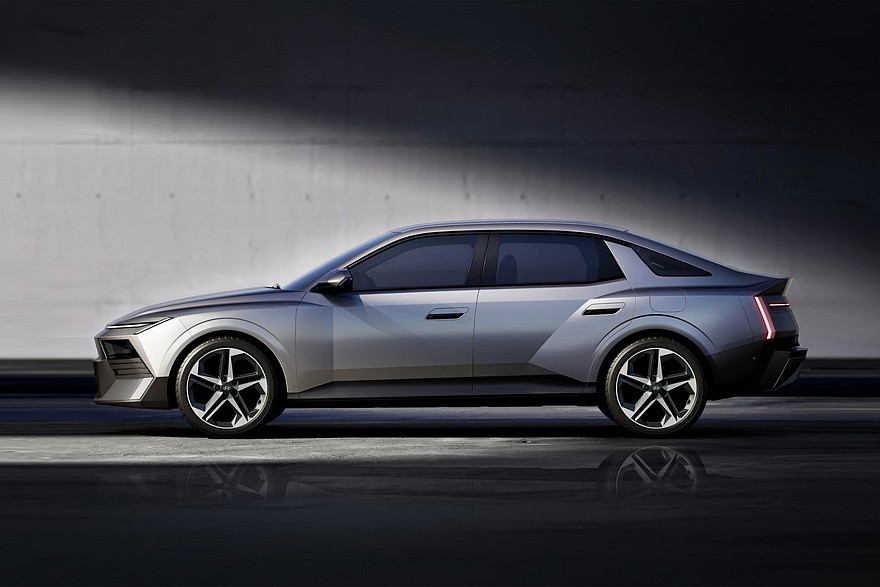
In the new generation, the Hyundai Elantra/Avante sedan has grown. It measures 4765 mm in length, 1855 mm in width, 1425 mm in height, with a wheelbase of 2750 mm. For comparison, the dimensions of the previous four-door sedan for the Korean market were 4710/1825/1420 mm, with a wheelbase of 2720 mm.
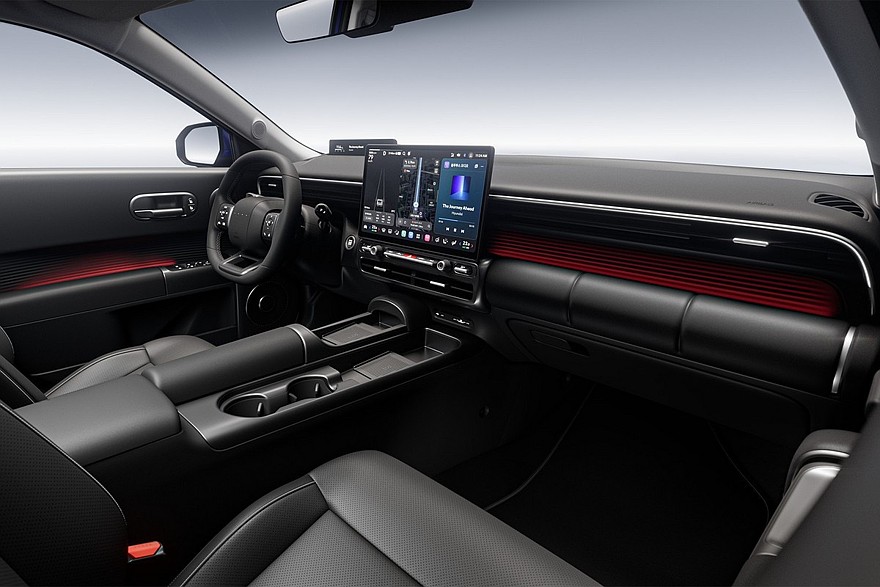
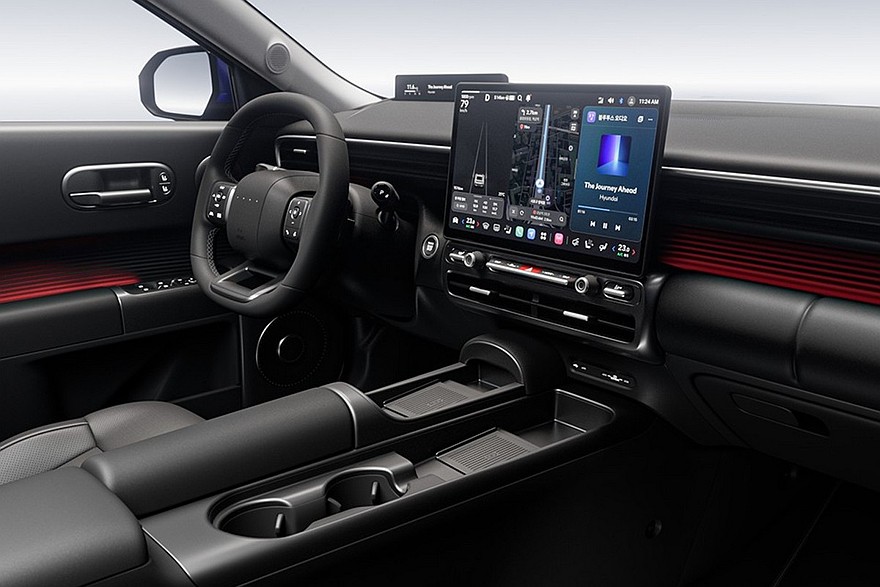
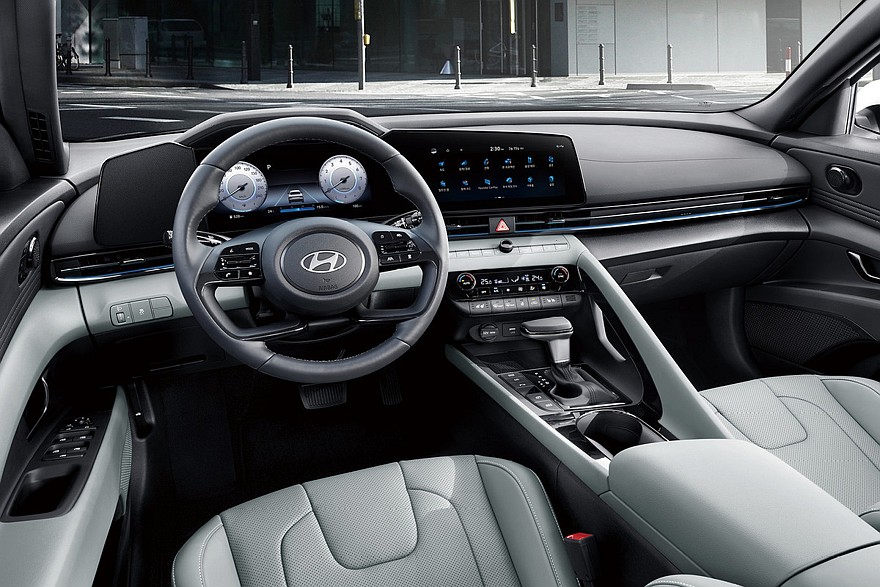
The interior has also been completely redesigned. It features a new dashboard, steering wheel, center console, and door panels. Instead of a single display, separate narrow instrument screen and a large multimedia system tablet (12.9 or 14.6 inches, depending on the trim) have been installed, with the first display positioned almost flush against the windshield. Transmission control is now handled by a steering column stalk. The multimedia system is Pleos Connect, based on artificial intelligence, similar to that in the new flagship Hyundai Grandeur sedan.
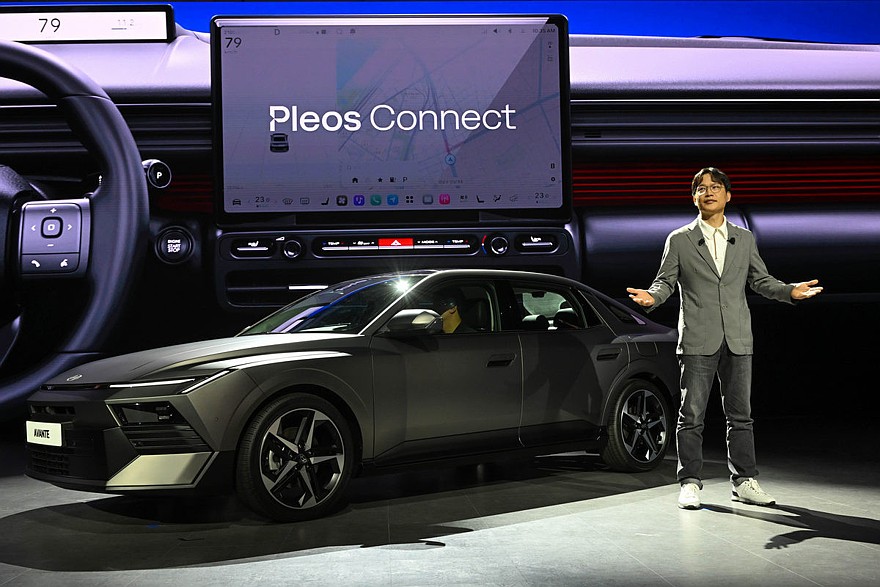
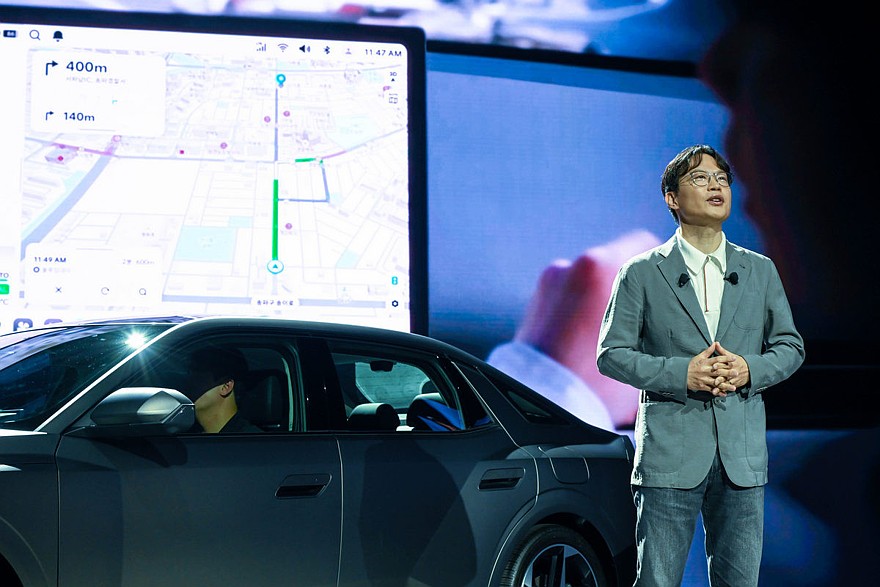
The equipment list for the new Elantra also includes: ten airbags, surround-view cameras, a remote parking system, "navigation-based" adaptive cruise control, automatic braking systems, lane-keeping assist, and blind-spot monitoring. There is also a Memory Reversing Assist (MRA) system, which "automatically controls steering when reversing by memorizing the vehicle's driving trajectory."
In its home market, the sedan will still be available with both an internal combustion engine and as a "simple" hybrid, meaning without the ability to charge from the electrical grid. The "traditional" four-door sedan is now equipped with a 2.0-liter naturally aspirated gasoline engine producing 149 hp, replacing the previous 1.6-liter naturally aspirated engine (120 hp). The 2.0-liter engine is paired with a CVT. The hybrid version's setup still includes a 1.6-liter engine, but the total system output has increased from 141 to 157 hp.
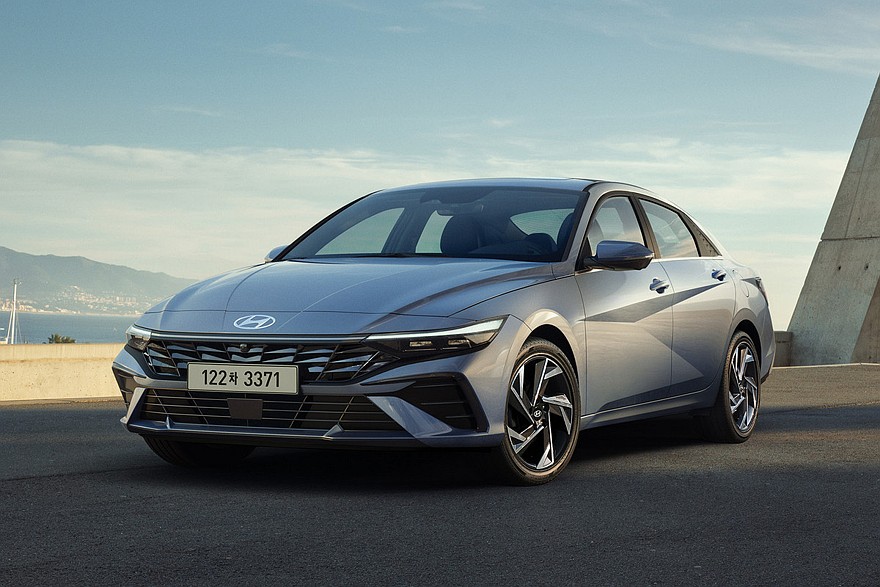
Sales of the eighth-generation Hyundai Avante sedan in Korea will begin in the third quarter. Possibly by that time, a sportier N Line version and a "hot" N variant will be unveiled in the home market. However, the timing for the global premiere of the new Hyundai Elantra has not yet been announced.

Comments (0)