
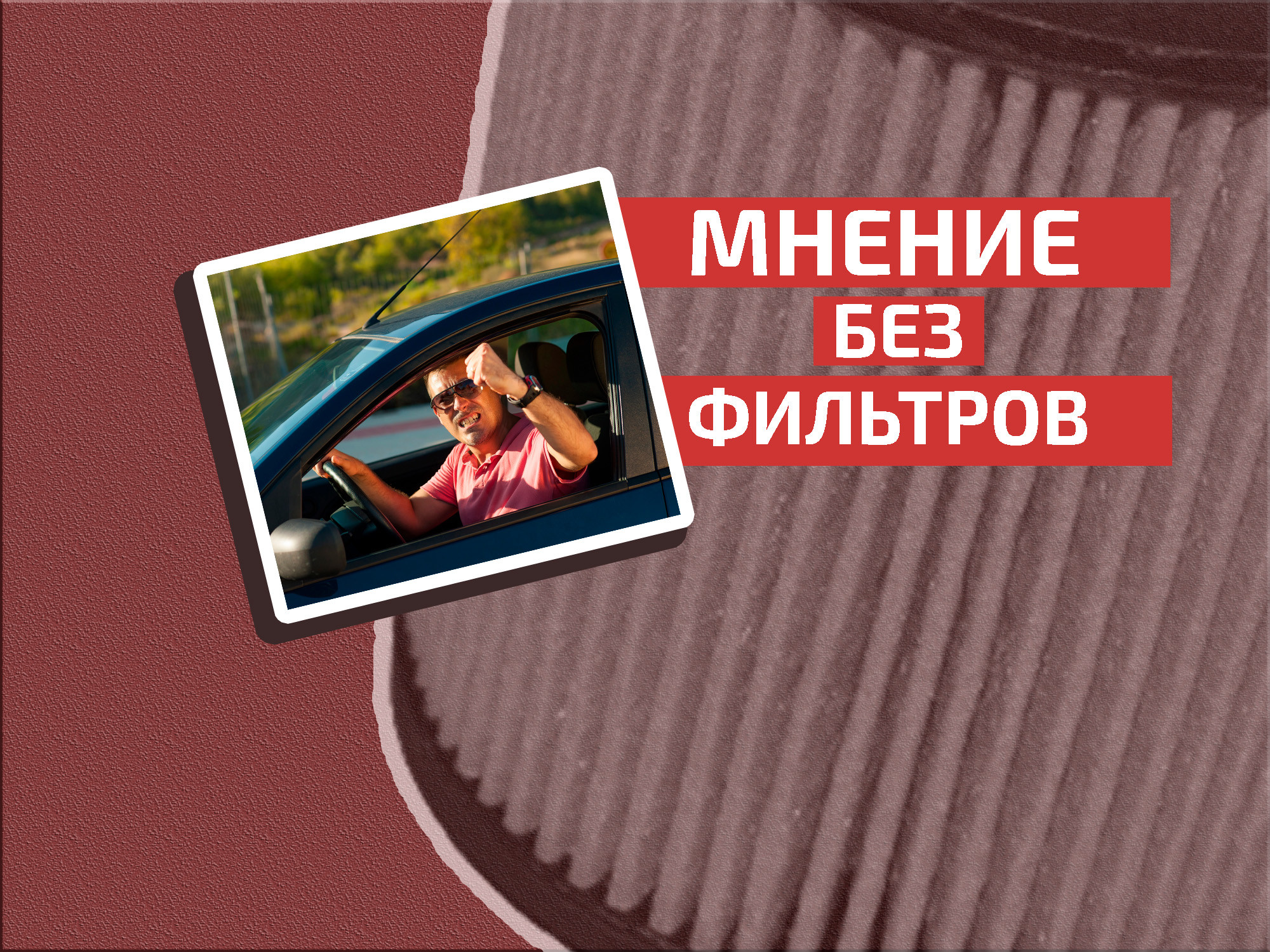
There's a feeling that in recent times, the car has changed not only on the outside. The people behind the wheel have changed too. No, this isn't about how "drivers used to be more courteous." Every generation loves to tell stories about how everyone once yielded the right of way, thanked each other with hazard lights, and smiled at one another at intersections. Most likely, this is just as much a myth as the tales that cars used to be more reliable and the grass greener.

But something has indeed happened. The modern motorist has become much angrier. And no, it's not that people have suddenly gone bad en masse, as the nervous Moscow taxi driver from the film "Brother 2" claimed. It's simply that a personal car has ceased to be a source of pleasure and is increasingly becoming a cause of constant stress. Once upon a time, a car was associated with freedom. Get behind the wheel – and go wherever you want. Bliss!
Today, it resembles a computer game on the highest difficulty level, where developers release an update every week making the player's life even harder. In the morning, you need to choose a route to avoid traffic jams. Then find parking, remember to pay for it through an app that constantly glitches, while the mobile internet keeps dropping out entirely. Then navigate around road repairs, avoid a new speed camera you didn't even know about, and in the evening discover that your parking neighbor opened their door right into your fender and, of course, drove off.
In short, an ordinary day. The car has quietly transformed from a symbol of freedom into an endless list of minor irritations. It's like buying a yacht, only to find out that 99% of the time you're not sailing, but filling out paperwork and paying marina bills. Add prices to the mix. Every trip now comes with an internal accountant: "How much does gas cost today?"; "How much will insurance go up?"; "What if something breaks?"; "I wonder how much the maintenance costs now?" The car used to ask for attention; now it regularly asks for money.
It's no wonder that even a small annoyance starts to feel like a personal insult. Someone cut you off? Irritation. Didn't yield? Anger. A queue at the gas station? Infuriating. Someone slow off the mark at a green light? Rage. All these are trivial in themselves. The problem is that the modern driver gets behind the wheel with their patience meter nearly full. Any little thing becomes that final straw. But there's another reason rarely talked about.
The car no longer makes a person feel special. Twenty years ago, a new car was an event. Today, a car is increasingly seen as a household appliance. Like a smartphone that hasn't become boring yet but has already stopped bringing joy. And when a thing stops bringing joy, it starts to be judged solely by the number of problems it creates. And this applies not only to owners – look at how attitudes towards each other have changed.
Before, a driver saw another driver ahead of them. Today, they see an obstacle. Someone who took the last parking spot. Someone driving 5 km/h slower. Someone taking too long to turn. Someone who merged right in front of them. We think less and less that behind the wheel sits another person, equally tired after work, running late to pick up their child from daycare, or simply lost in thought.
No. Now, what's in front of us is not a person, but... an obstruction. But perhaps the most interesting reason for anger has nothing to do with cars at all. We have stopped being alone. The modern driver doesn't rest even behind the wheel. The navigation system reports a traffic jam. The phone vibrates. The infotainment system offers an update. Assistants beep. Cameras warn. The car talks to you more often than some relatives! It creates a strange paradox: we bought a car for freedom, and ended up with another gadget demanding our attention every few seconds.
And then there are social media. Any road conflict can now end up online within five minutes. Any mistake you make can become a meme. Any awkward lane change can be a reason for hundreds of spiteful comments in news feeds. We've started driving as if we're constantly being judged. And perhaps that's what has changed the atmosphere on the roads the most. But there's one detail that's unsettling. Despite all this, millions of people still love to drive.
They deliberately head out early in the morning while the roads are empty. They take road trips even though flying is faster. They buy convertibles, sports cars, old Zhigulis, gas-guzzling SUVs, exotic coupes – cars whose purchase can't be rationally explained. So, it's not really about the cars after all. Maybe the problem is that modern life makes us more irritable, and the car simply becomes the place where that irritation finally gets a chance to break out?
Or is it much simpler? Perhaps it's not that motorists have become angrier, but that people behind the wheel have simply stopped pretending?
Comments (0)